
Gabriela Elisa Abarca Paillacan, Estudiante de Magíster en Antropología Sociocultural, Universidad de Chile. Instagram: @gaby_invernal
Captura de las fotos: 2023, 2024. Chile.
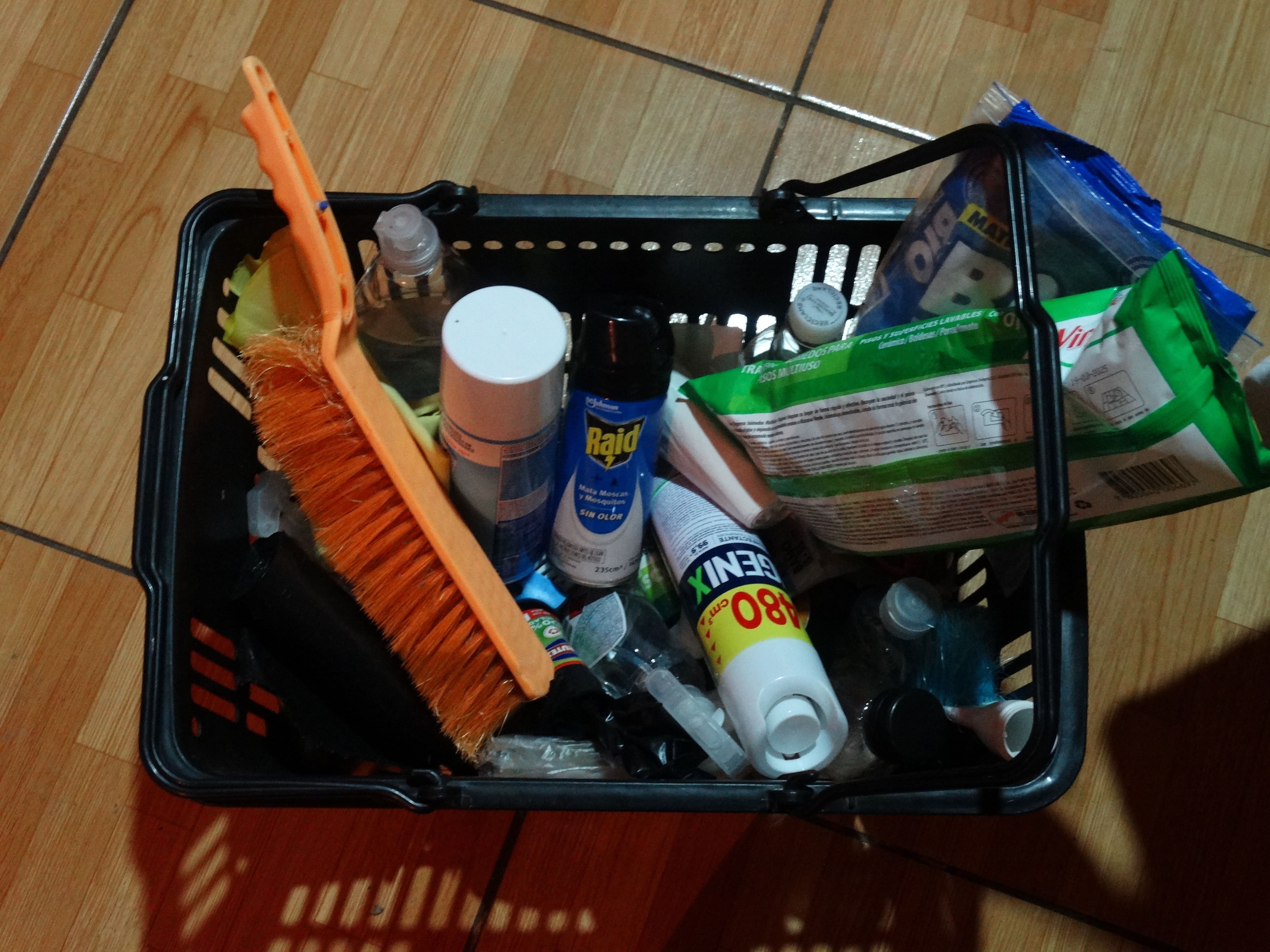
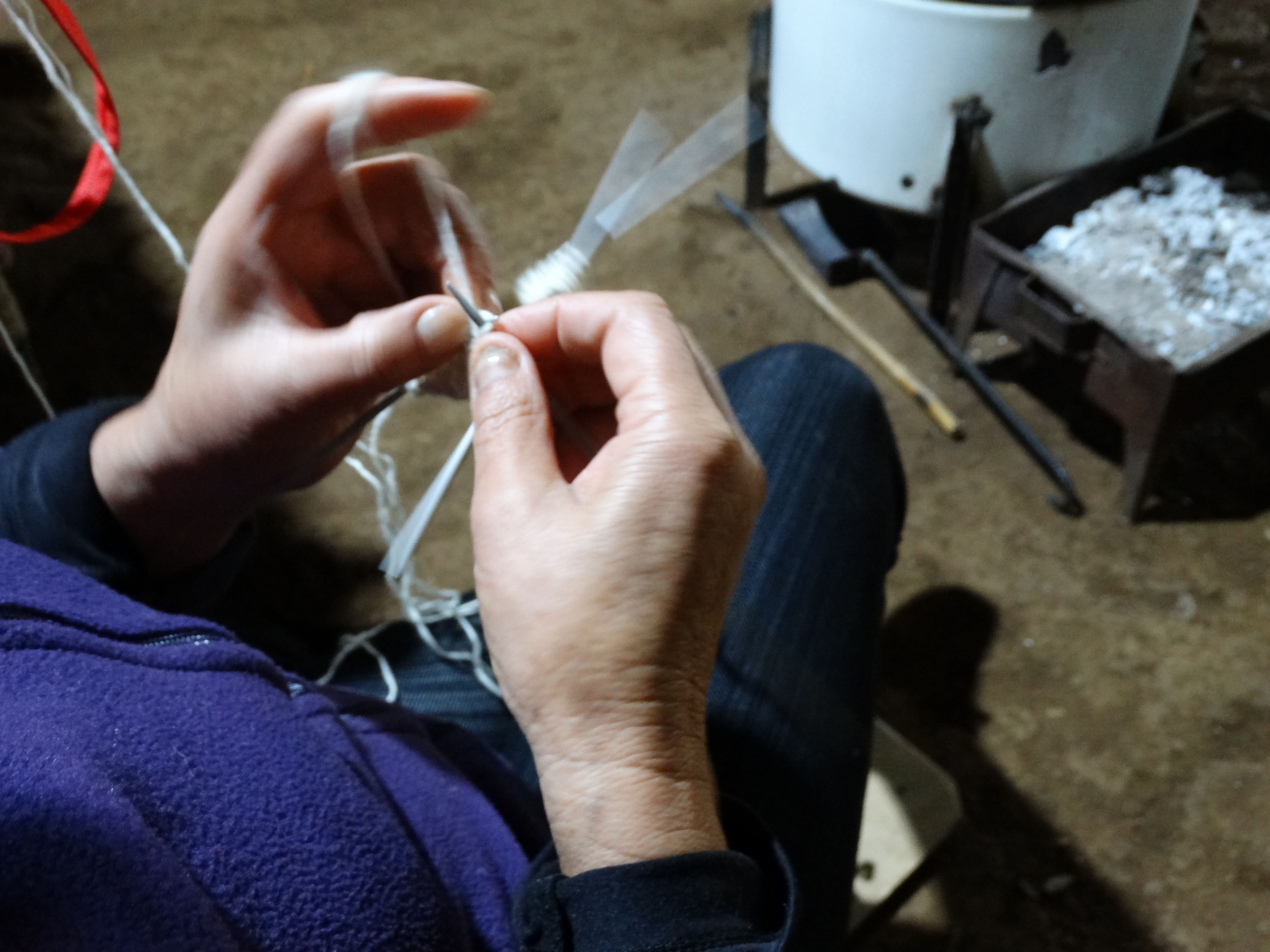
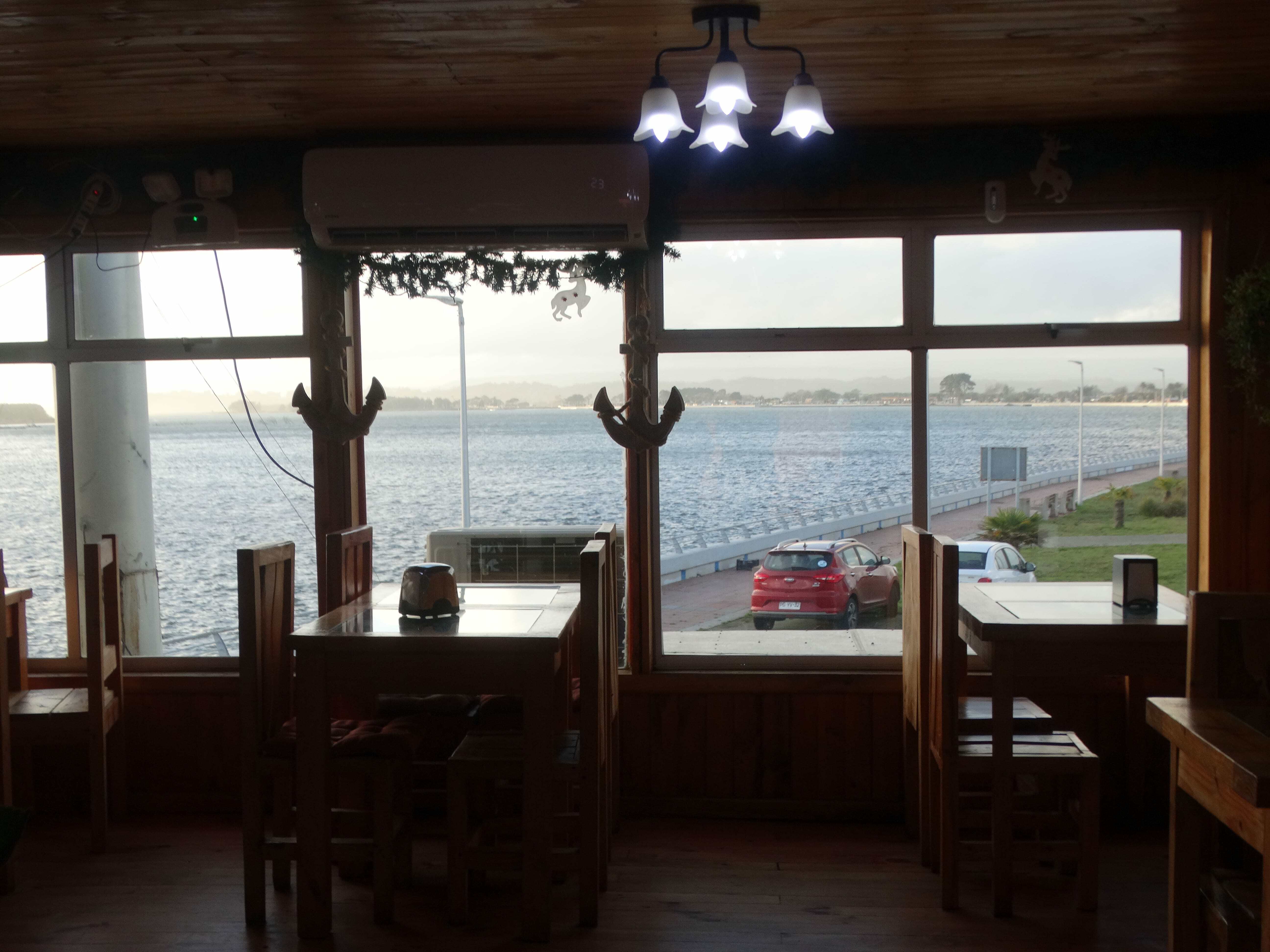
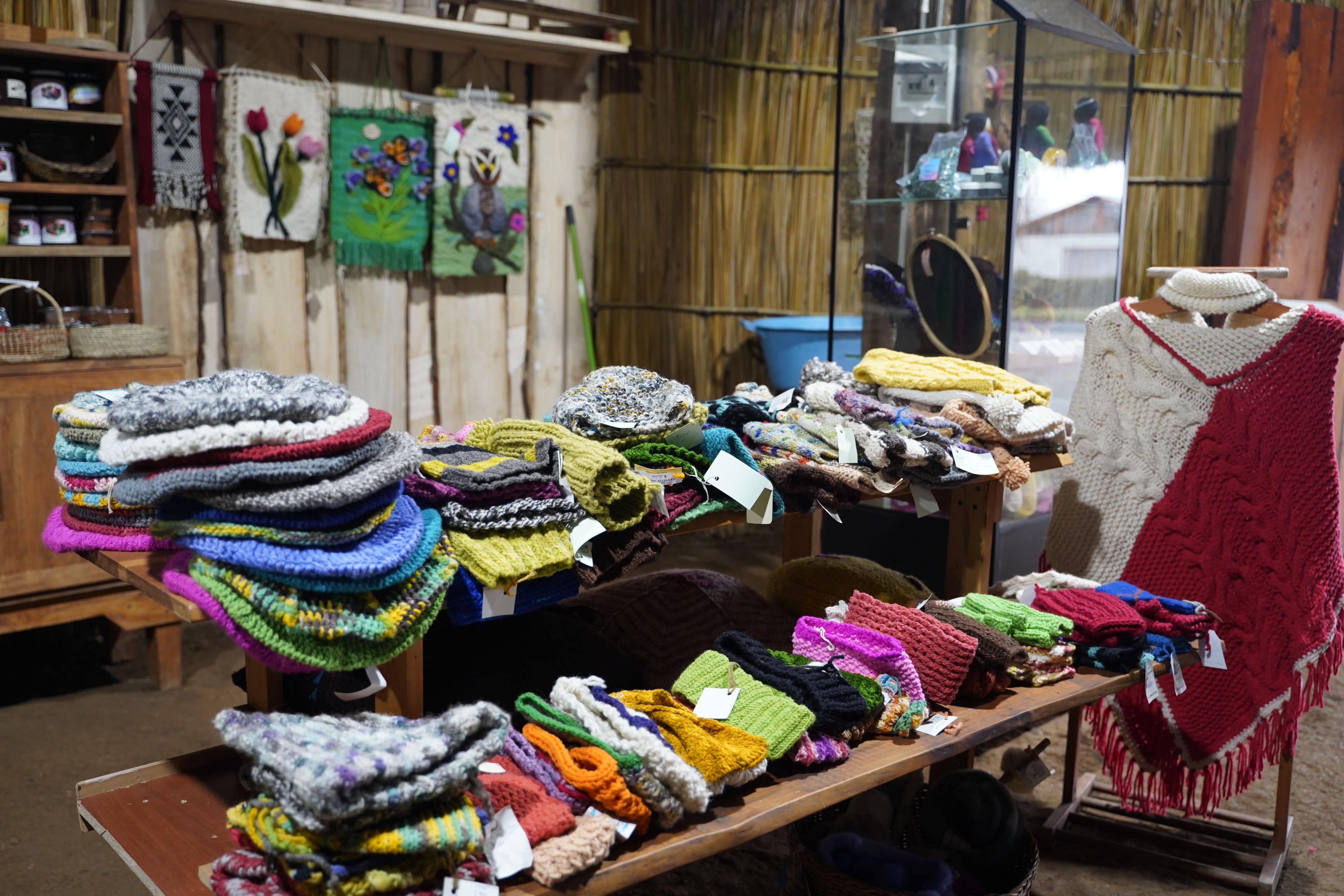
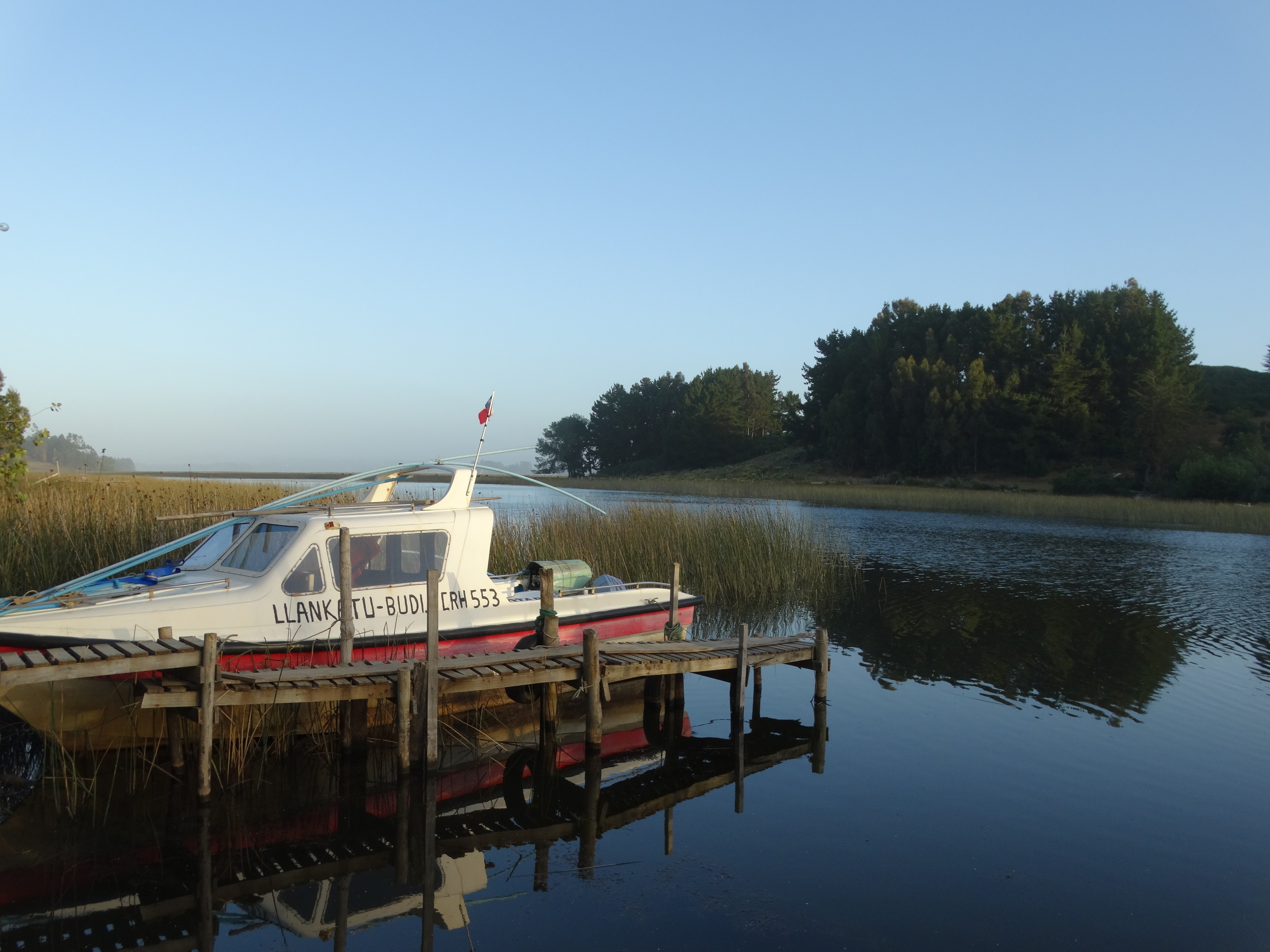
Nombre de las fotos: 1.Materialidades que acompañan la oferta turística. 2. Movimientos y saberes-haceres de la oferta turística. 3.Lugares, territorios y/o escenarios donde acontecen la creación de turismo. 4.Las creaciones turísticas. 5. fotografías.
Las fotografías tomadas se sitúan en el escenario turístico acontecido durante los veranos de 2023 y 2024 en territorio Lafkenche, específicamente Puerto Saavedra y Carahue. Las imágenes capturan los espacios, materialidades y movimientos donde ocurren y se entretejen las ofertas turísticas creadas e impulsadas por mujeres mapuche, quienes han entrelazado su saber-hacer en torno a lo doméstico hacia estos nuevos y emergentes contextos comerciales. Además, las fotografías retratan los paisajes y territorios donde se desarrolla el turismo y también donde ocurren las vidas cotidianas y sentires de estas mujeres.
¿Por qué son importantes estas fotografías en particular para su investigación?
Para mi investigación son relevantes estas imágenes ya que muestran historias sobre los procesos de turismo de mujeres mapuche lafkenche al sur de Chile, aspecto no tan visibilizado aún por los estudios de turismo en Latinoamérica, y especialmente en nuestro país. Cada una de las fotografías retrata y encapsula la movilidad de cada una de estas mujeres en sus espacios de elaboración de turismo, así como de la oferta que realizan, agrupadas en textilería, gastronomía y hospedaje-rutas turísticas. El uso de fotografías viene a acompañar una narrativa que, en primer lugar, nos habla sobre nuevas formas de habitar el territorio y de utilizar sus conocimientos y haceres cotidianos, y en segundo lugar, de las implicancias del turismo en sus vidas, de su introducción a tal escenario y de qué forma han ido compatibilizando este mundo con los otros mundos que circulan en sus vidas diarias, tales como los espacios domésticos y de cuidados.
Weaving the lives of Mapuche women engaged in tourism in Lafkenche territories
Gabriela Elisa Abarca Paillacan, Estudiante de Magíster en Antropología Sociocultural, Universidad de Chile. Instagram: @gaby_invernal
Date/Location: 2023, 2024. Chile.
Name of the photos: 1.Materialities that accompany the tourist offer. 2.Movements and know-how of the tourist offer. 3.Places, territories and/or scenarios where the creation of tourism takes place. 4.Tourist creations. 5.Photographs.
The photographs taken are situated in the tourism scenario that developed during the summers of 2023 and 2024 in Lafkenche territory, specifically in Puerto Saavedra and Carahue. The images capture the spaces, materialities and movements where the tourist offers created and promoted by Mapuche women, who have interwoven their domestic knowledge into these new and emerging commercial contexts, occur and are interwoven. In addition, the photographs portray the landscapes and territories where tourism takes place and also where the daily lives and feelings of these women take place.
Why are those particular photographs important to your research?
These images are relevant to my research as they show stories about the tourism processes of Mapuche Lafkenche women in southern Chile, an aspect that has not yet been made visible in tourism studies in Latin America, and especially in our country. Each of the photographs portrays and encapsulates the mobility of each of these women in their spaces of tourism production, as well as the offer they make, grouped in textiles, gastronomy and lodging-tourist routes. The use of photographs accompanies a narrative that, firstly, tells us about new ways of inhabiting the territory and using their everyday knowledge and skills, and secondly, about the implications of tourism in their lives, their introduction to this scenario and how they have been making this world compatible with the other worlds that circulate in their daily lives, such as domestic and care spaces.
 Narrativas Visuales/Visual Narratives