
Katia Mariel Figueroa Rohmann; Universidad Federal de Pampa (http://lattes.cnpq.br/2077190533091685). Paulo Vanderlei Cassanego Junior, Universidad Federal de Pampa (http://lattes.cnpq.br/7581727785609073).
Captura de las fotos: Santana do Livramento, Rio Grande do Sul /Brazil. 1) 15 de julio de 2024. 2) 15 de julio de 2024. 3) 10 de junio de 2024. 4) 05 de junio de 2024. 5) 10 de junio de 2024.
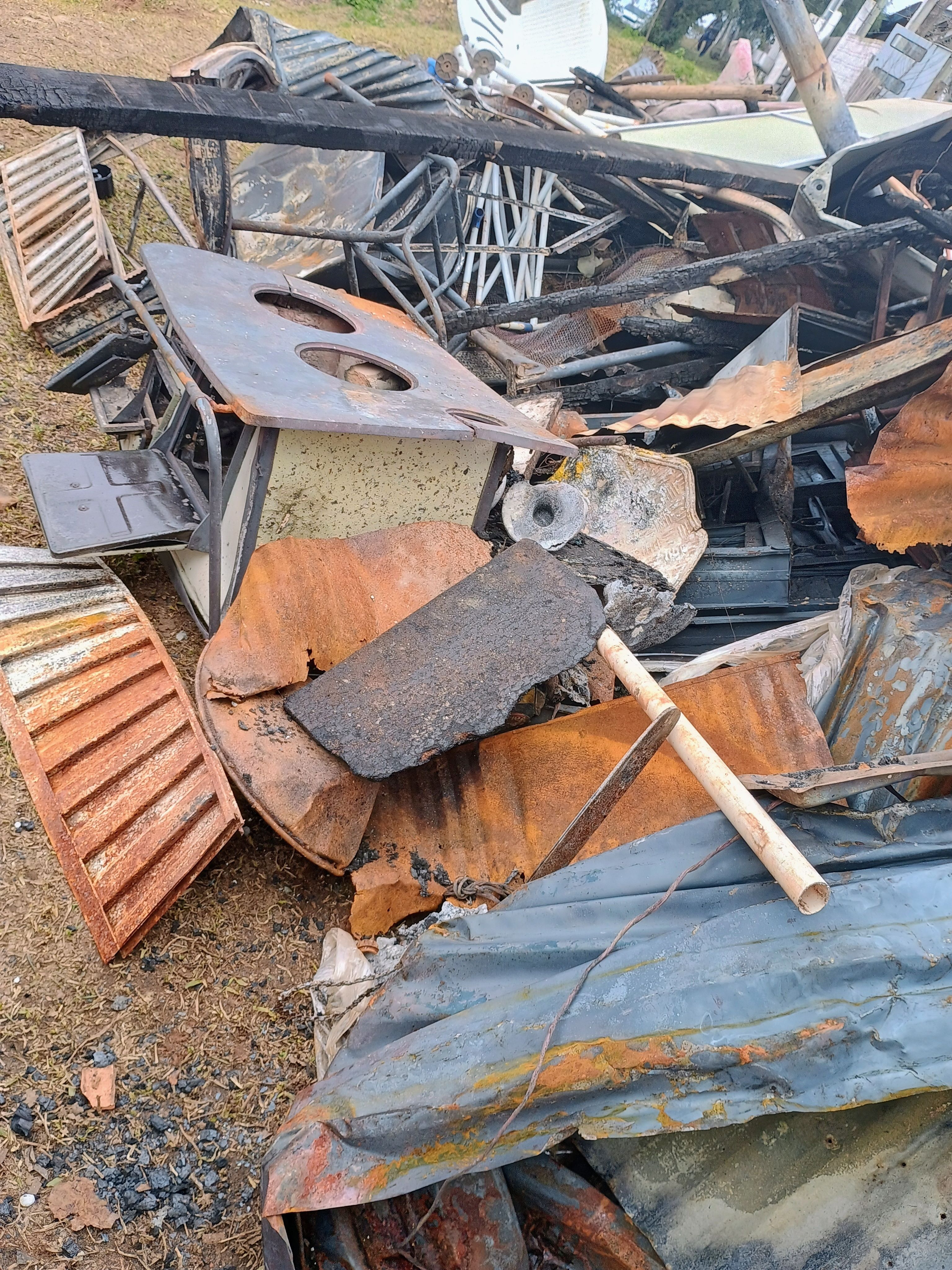
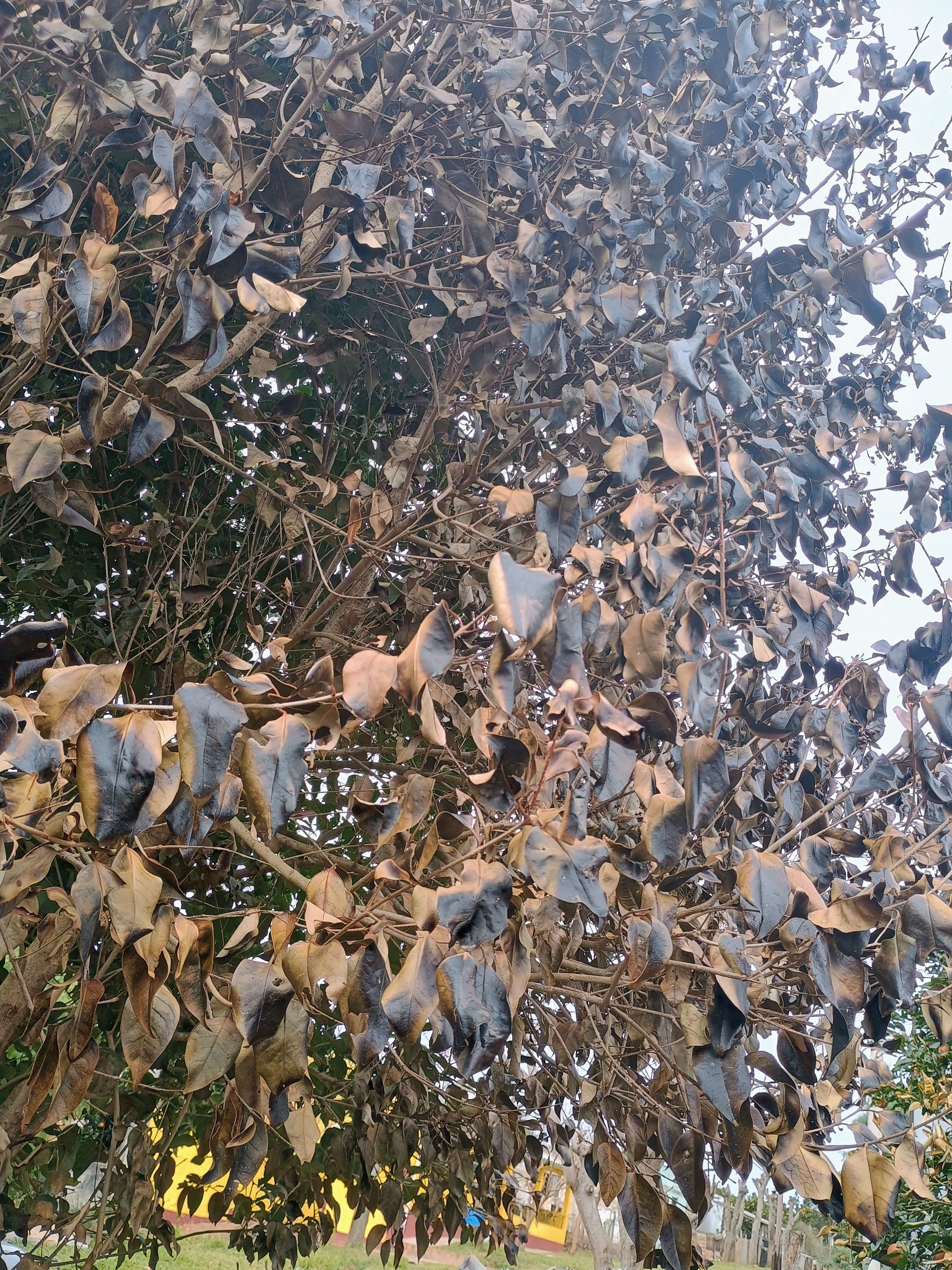
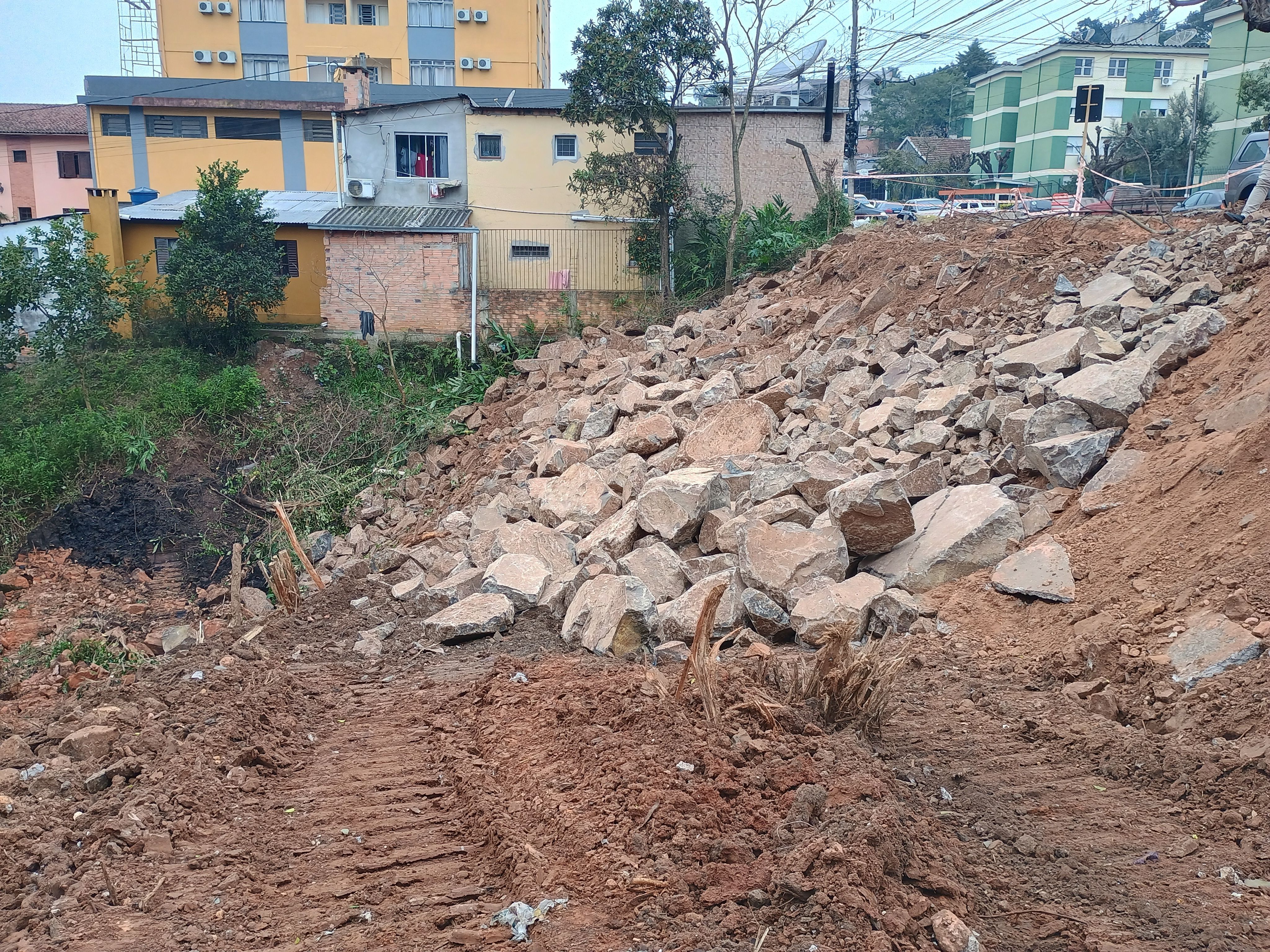
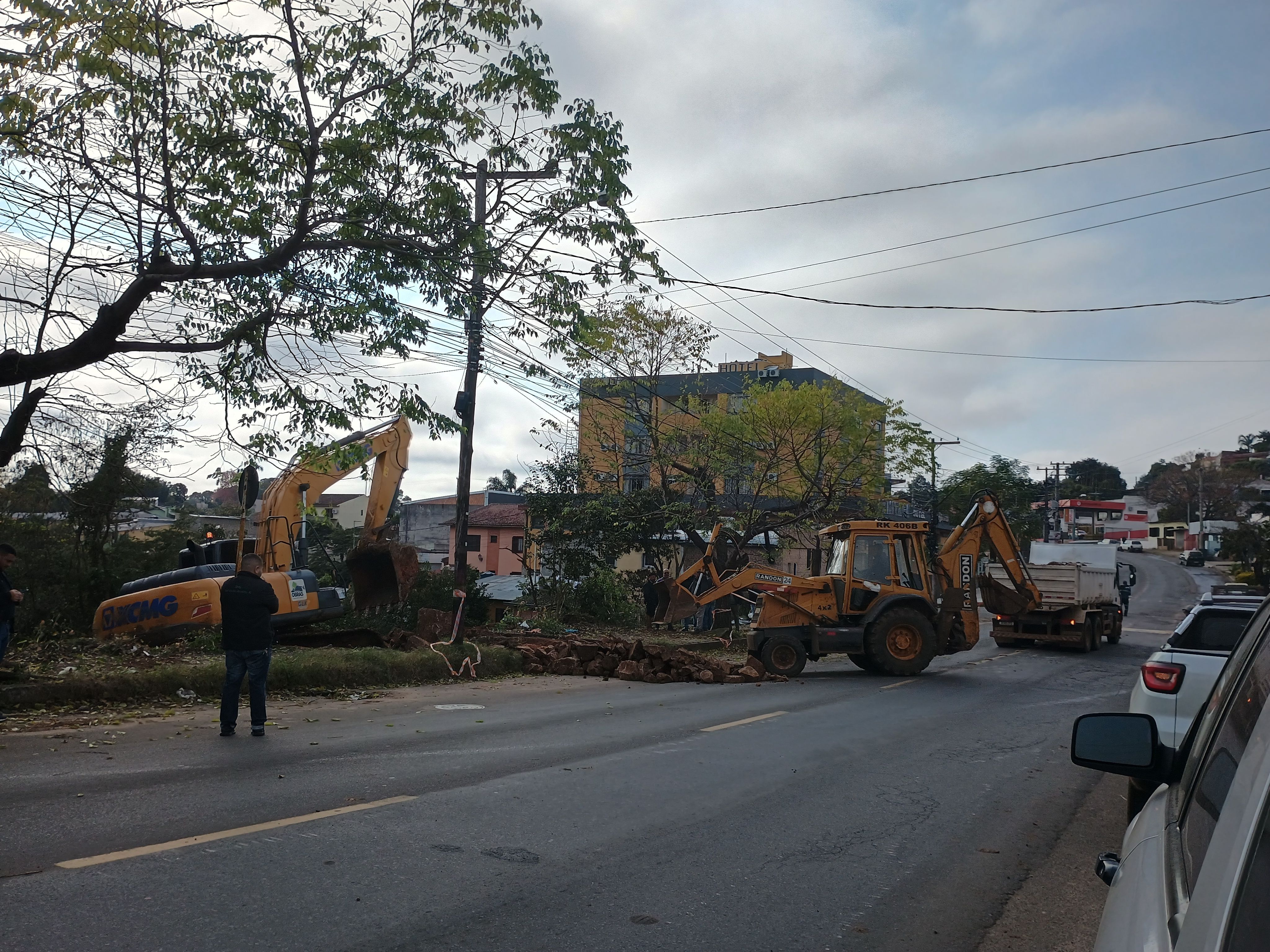
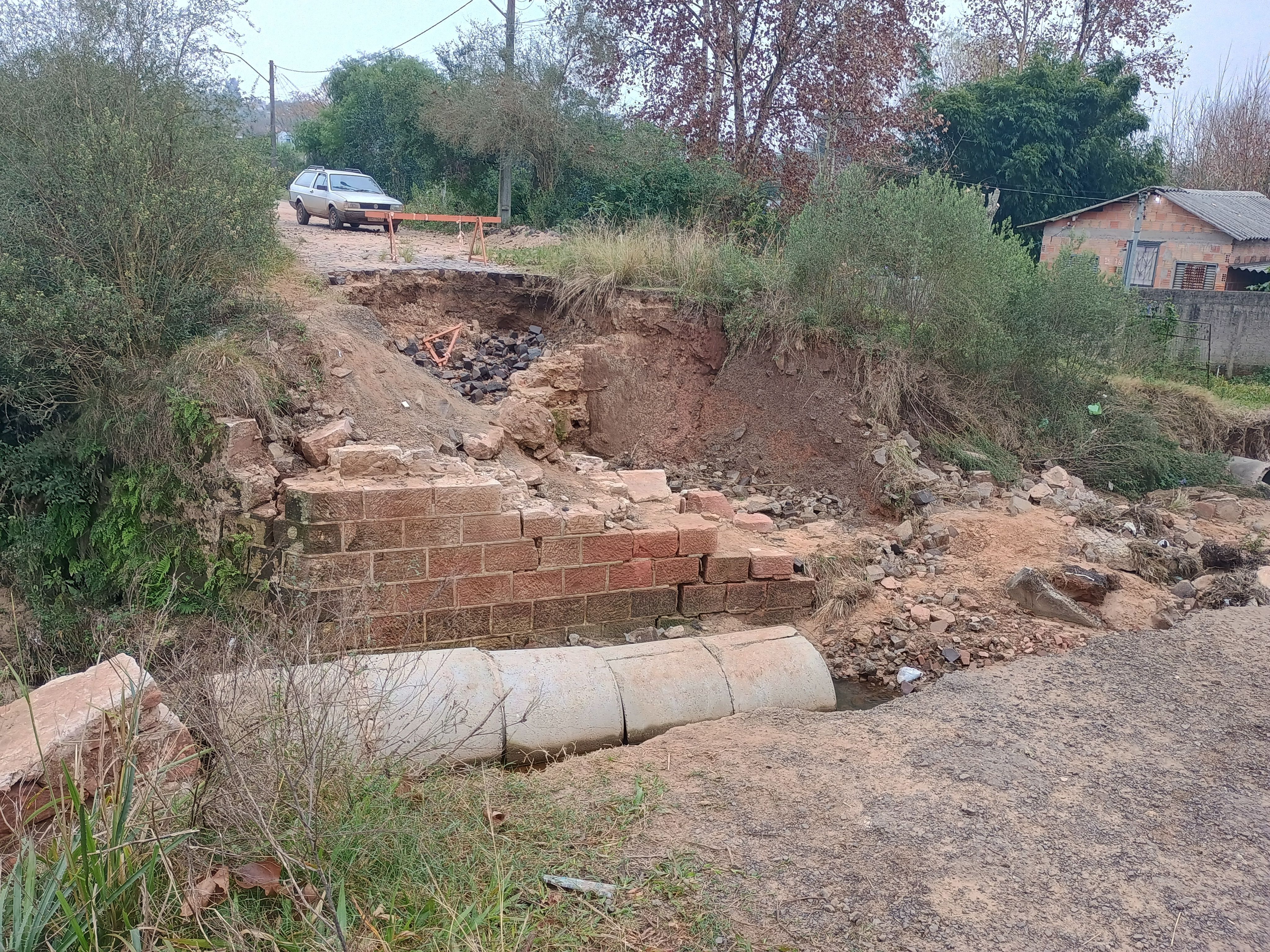
Nombre de las fotos: 1) Restos del fuego. 2) Salpicaduras de calor. 3) Colapso y riesgo. 4) Red de apoyo. 5) Puente sin conexión.
Las catástrofes naturales han llamado la atención por su significativo aumento de intensidad. Hay factores que han influido en el cambio climático, como la urbanización desordenada y la explotación del medio ambiente. Durante las inundaciones de mayo y abril en el estado de Rio Grande do Sul, Brasil, se observó el trabajo de la Defensa Civil como parte de una investigación etnográfica para conocer la gestión estratégica en relación con la función de la Defensa Civil de prevenir y mitigar los desastres. Durante la observación, fuimos testigos de diversas actividades destinadas a prevenir, responder y recuperarse de los desastres naturales o causados por la acción humana.
Las fotos muestran algunas de las actividades, como un corrimiento de tierras que estaba destruyendo una carretera pública y causando peligro a los residentes vecinos, el derrumbamiento de un puente que destruyó la carretera, y la asistencia a los residentes de una casa tras un incendio para prestar ayuda y ayuda. Las actividades presenciales de planificación, estrategia y logística se llevaron a cabo de forma integrada.
¿Por qué son importantes estas fotografías en particular para su investigación?
Las fotografías captan las condiciones del lugar inmediatamente después del suceso, proporcionando un registro del impacto visual que se produjo, presentando la percepción del riesgo que el habla y la escritura no transmiten. Las fotografías son importantes en la investigación porque muestran el esfuerzo operativo para hacer frente a las catástrofes, evidenciado por la movilización de equipos y material, lo que indica la necesidad de cooperación y recursos para responder a diferentes escenarios de impacto ambiental.
La fotografía, que muestra elementos quemados después de un incendio, presenta historias de reconstrucción en las que la Defensa Civil participa en su red de apoyo, en comunicación con asociaciones institucionales. Tras un incendio, un corrimiento de tierras o una inundación, Protección Civil gestiona la crisis mediante la cooperación entre instituciones y organizaciones. Esta articulación integrada permite el intercambio de información, el uso eficiente de los recursos, garantizando una respuesta rápida en la recuperación del lugar afectado, reduciendo los riesgos de que la catástrofe se repita.
Visual stories in emergency situations
Katia Mariel Figueroa Rohmann; Universidad Federal de Pampa (http://lattes.cnpq.br/2077190533091685). Paulo Vanderlei Cassanego Junior, Universidad Federal de Pampa (http://lattes.cnpq.br/7581727785609073).
Date and location of photos: Santana do Livramento, Rio Grande do Sul /Brazil. 1) July 15th, 2024. 2) July 15, 2024. 3) June 10, 2024. 4) June 05, 2024. 5) June 10th, 2024.
Name of the photos: 1) Leftovers from the fire. 2) Heat splash. 3) Collapse and risk. 4) Support network. 5) Bridge without connection.
Natural disasters have attracted attention due to their significant increase in intensity. There are factors that have influenced climate change, such as disorderly urbanization and environmental exploitation. During the May and April floods in the state of Rio Grande do Sul, Brazil, the work of the Civil Defense was observed as part of ethnographic research to find out about strategic management in relation to the Civil Defense’s role of preventing and mitigating disasters. During the observation, we saw various activities aimed at preventing, responding to and recovering from natural disasters or those caused by human actions.
The photos show some of the activities, such as a landslide that was destroying a public road and causing danger to neighboring residents, the collapse of a bridge that destroyed the road, and assisting the residents of a house after a fire to provide help and assistance. Face-to-face activities involving planning, strategy and logistics were carried out in an integrated manner.
Why are those particular photographs important to your research?
Photographs capture the conditions of the site immediately after the event, providing a record of the visual impact that occurred, presenting the perception of risk that speech and writing do not convey. The photographs are important in the research because they show the operational effort in dealing with disasters, evidenced by the mobilization of teams and equipment, indicating the need for cooperation and resources to respond to different environmental impact scenarios.
The photograph, which shows items burned after a fire, presents stories of reconstruction that Civil Defense participates in its support network, in communication with institutional partnerships. After a fire, landslide or flood, Civil Defence manages the crisis through cooperation between institutions and organizations. This integrated coordination allows for the exchange of information and the efficient use of resources, guaranteeing a rapid response in the recovery of the affected area and reducing the risk of the disaster occurring again.
 Narrativas Visuales/Visual Narratives