
LUIS ALEJANDRO BARRIGA ABARCA, Fotografo. IG: @alejandrobarrigafotografia
Captura de las fotos: Noviembre 2015 – Octubre 2016.
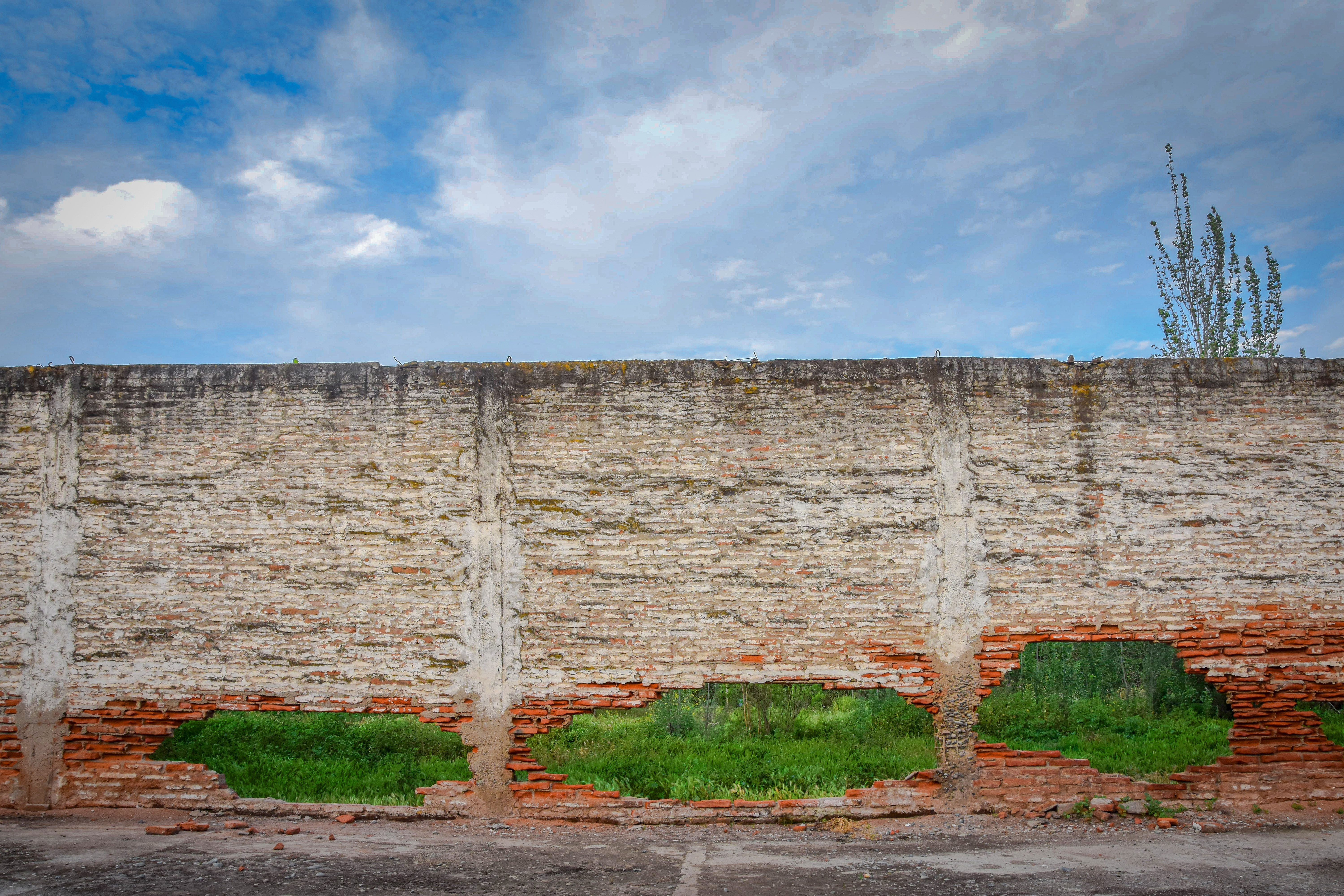
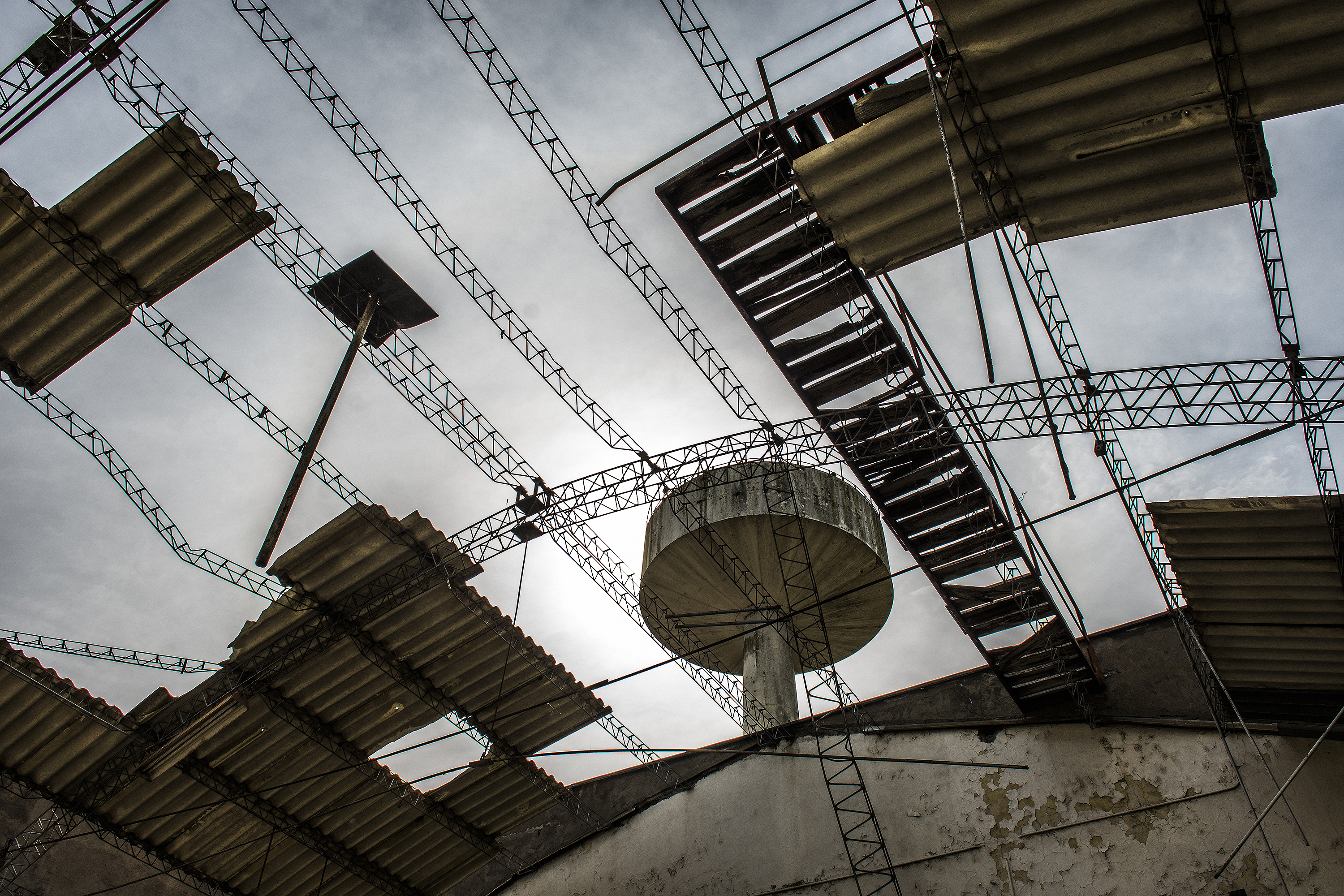
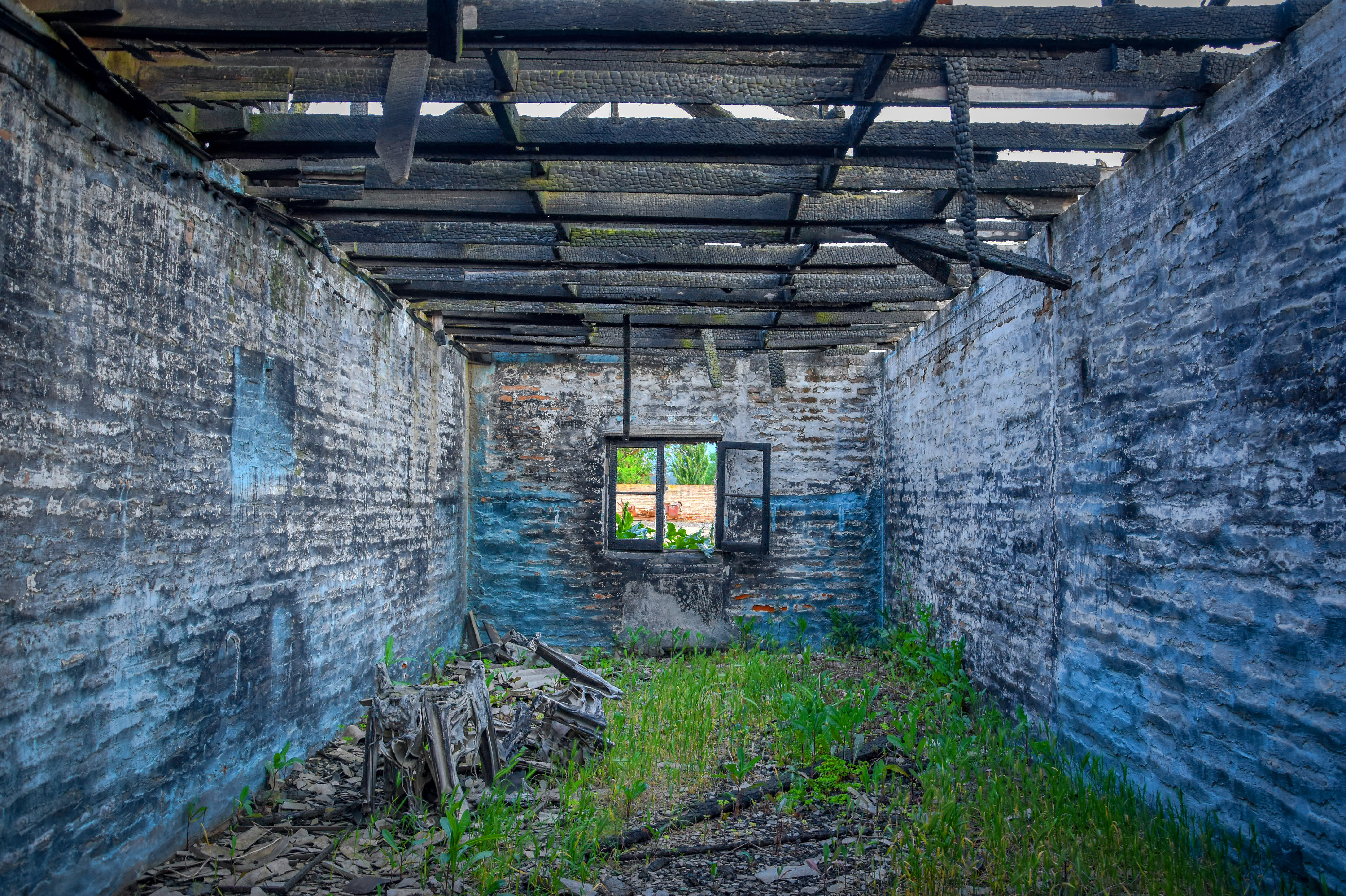
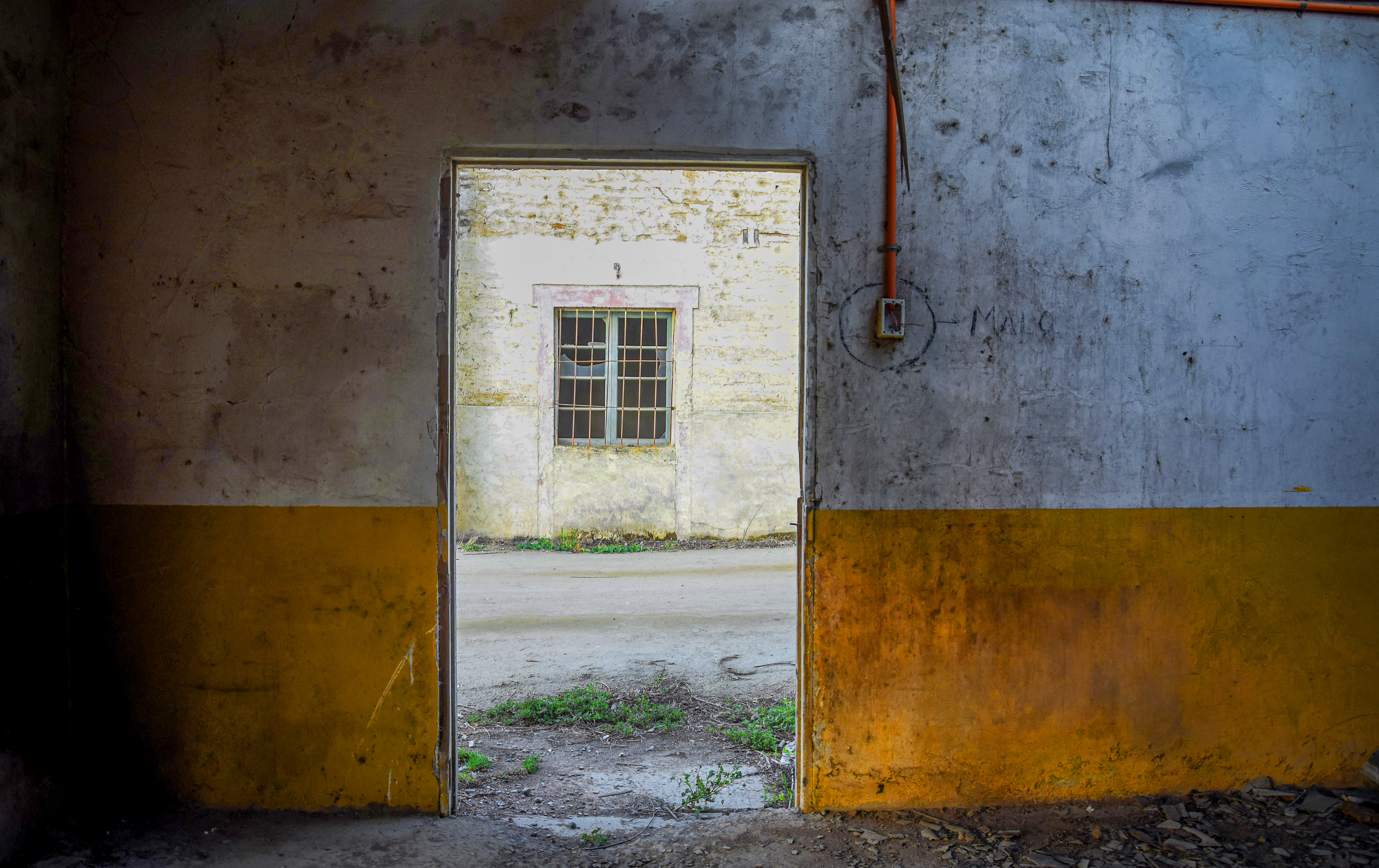
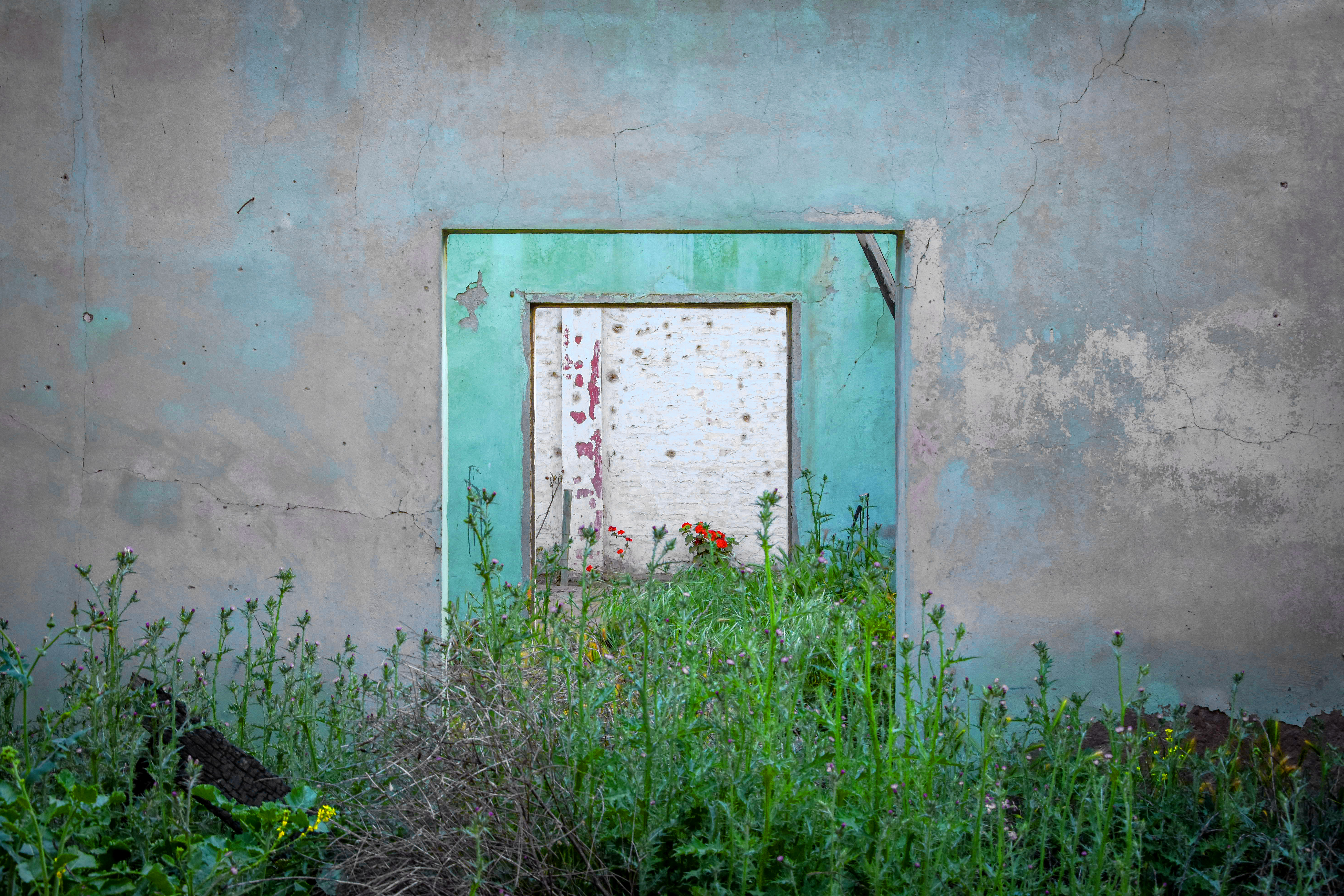
Nombre de las fotos: Foto_01 / Ladrillos en Destrucción. Foto_02 / Cielos Caó/cos. Foto_03 / Recobrar el color y la vida. Foto_04 / Soledad. Foto_05 / Marcos.
Las cinco fotografías que componen esta serie fueron realizadas en tres escenarios distintos —una antigua cooperativa lechera, una fábrica de zapatos y una casa de campo—, hoy abandonados y deteriorados tanto por la acción humana como por el paso del tiempo. En estos espacios, donde otros solo perciben ruina, emerge una estética inesperada. Muros desgastados, techumbres deshechas, ventanas que ya no cumplen su función y la vegetación que recupera silenciosamente el lugar se convierten en protagonistas. Texturas, luces, colores vivos y sombras actúan como narradoras de historias invisibles, revelando capas de memoria y significado. Así, aquello que parecía abandonado adquiere una nueva vida y nos ofrece una mirada distinta sobre el paso del tiempo y la huella humana.
¿Por qué son importantes estas fotografías en particular para su investigación?
Estas fotografías son importantes para mi investigación porque funcionan como registros visuales de espacios que han quedado al margen de la mirada cotidiana. Al documentar una antigua cooperativa lechera, una fábrica de zapatos y una casa de campo en estado de abandono, no solo capturo su deterioro físico, sino también las huellas de las personas y actividades que les dieron sentido. Cada imagen revela texturas, colores y encuadres que hablan del paso del tiempo, de la transformación del paisaje y de la memoria colectiva. La serie no busca mostrar únicamente ruinas, sino poner en evidencia la belleza y la carga simbólica que subsisten en estos lugares. Me interesa cómo la ausencia humana se transforma en presencia a través de objetos, muros y estructuras que evocan historias pasadas. Estas imágenes alimentan mi reflexión sobre el vínculo entre patrimonio, identidad y olvido, invitando a pensar cómo valoramos y resignificamos lo que queda fuera del circuito oficial de la memoria.
Aesthetics of Abandonment
LUIS ALEJANDRO BARRIGA ABARCA, Fotografo. IG: @alejandrobarrigafotografia
Location and dates of the photos: Name of the photos: Photo 1 / Bricks in Destruction. Photo 2 / Chaotic Skies. Photo 3 / Regaining Color and Life. Photo 4 / Solitude. Photo 5 / Frames.
The five photographs that make up this series were taken in three different settings—a former dairy cooperative, a shoe factory, and a country house—now abandoned and deteriorated by both human activity and the passage of time. In these spaces, where others perceive only ruin, an unexpected aesthetic emerges. Worn walls, crumbling roofs, windows that no longer serve their purpose, and the vegetation that silently reclaims the place become the protagonists. Textures, light, vibrant colours, and shadows act as narrators of invisible stories, revealing layers of memory and meaning. Thus, what seemed abandoned acquires a new life and offers us a different perspective on the passage of time and the human imprint.
Why are those particular photographs important to your research?
These photographs are important to my research because they serve as visual records of spaces that have fallen outside the everyday view. By documenting a former dairy cooperative, a shoe factory, and an abandoned farmhouse, I capture not only their physical decay but also the traces of the people and activities that gave them meaning. Each image reveals textures, colors, and compositions that speak of the passage of time, the transformation of the landscape, and collective memory. The series does not seek merely to show ruins but to highlight the beauty and symbolic weight that persist in these places. I am interested in how human absence transforms into presence through objects, walls, and structures that evoke past stories. These images fuel my reflection on the link between heritage, identity, and oblivion, inviting us to consider how we value and reinterpret what remains outside the official circuit of memory.
 Narrativas Visuales/Visual Narratives