
Karina del Pilar Valenzuela Contreras; Beatriz Eugenia Cid Aguayo. Magíster de Investigación Social y Desarrollo, Universidad de Concepción, Fondecyt 1230338 “Comunes y ontologías de la naturaleza: dialogo de saberes”.
Captura de las fotos: 1) Valle del Itata 1965. 2) Valle del Itata 1990. 3) Valle el Itata 1992. 4) Valle del Itata abril 2025. 5) Valle del Itata agosto 2025.
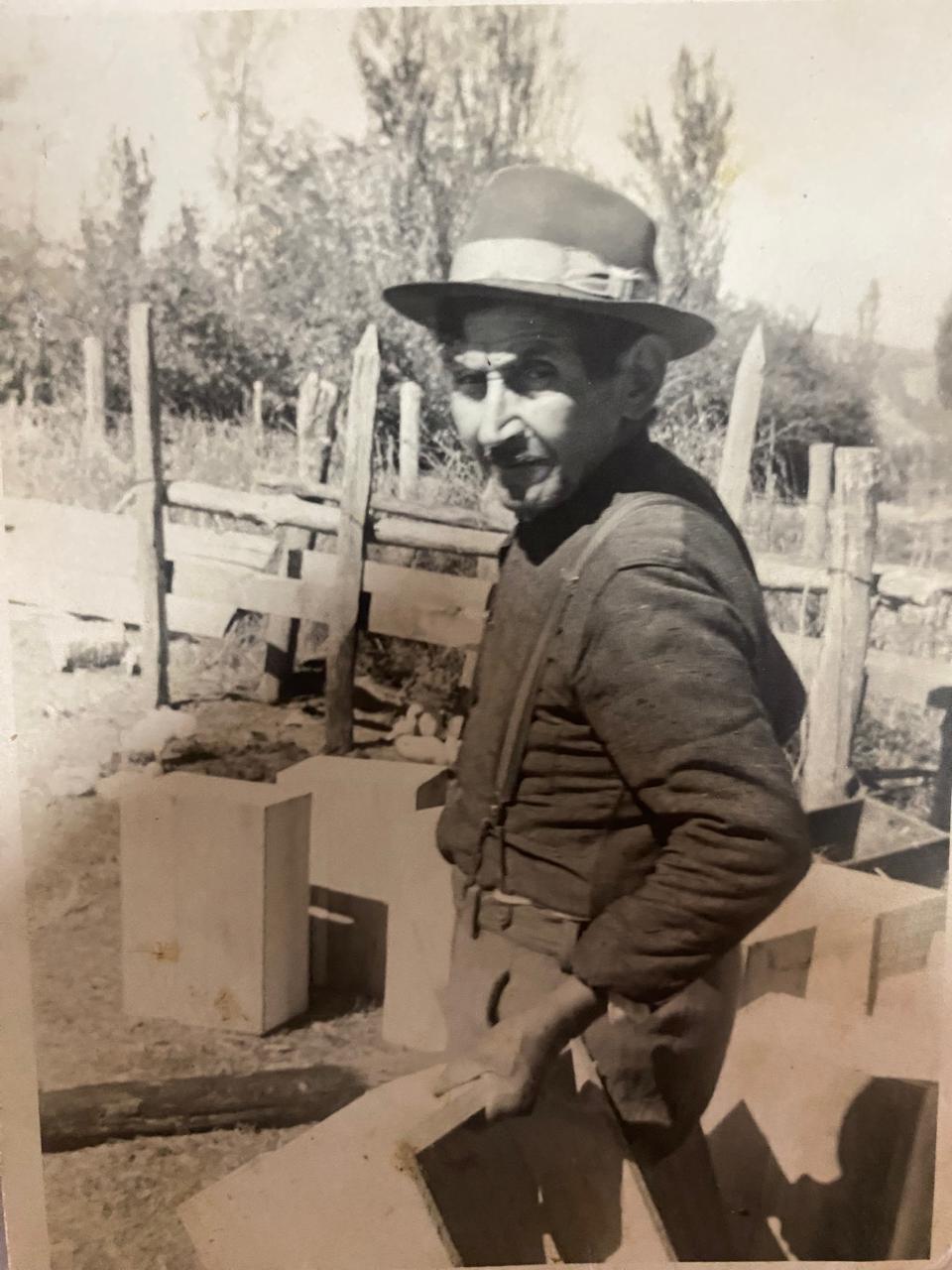
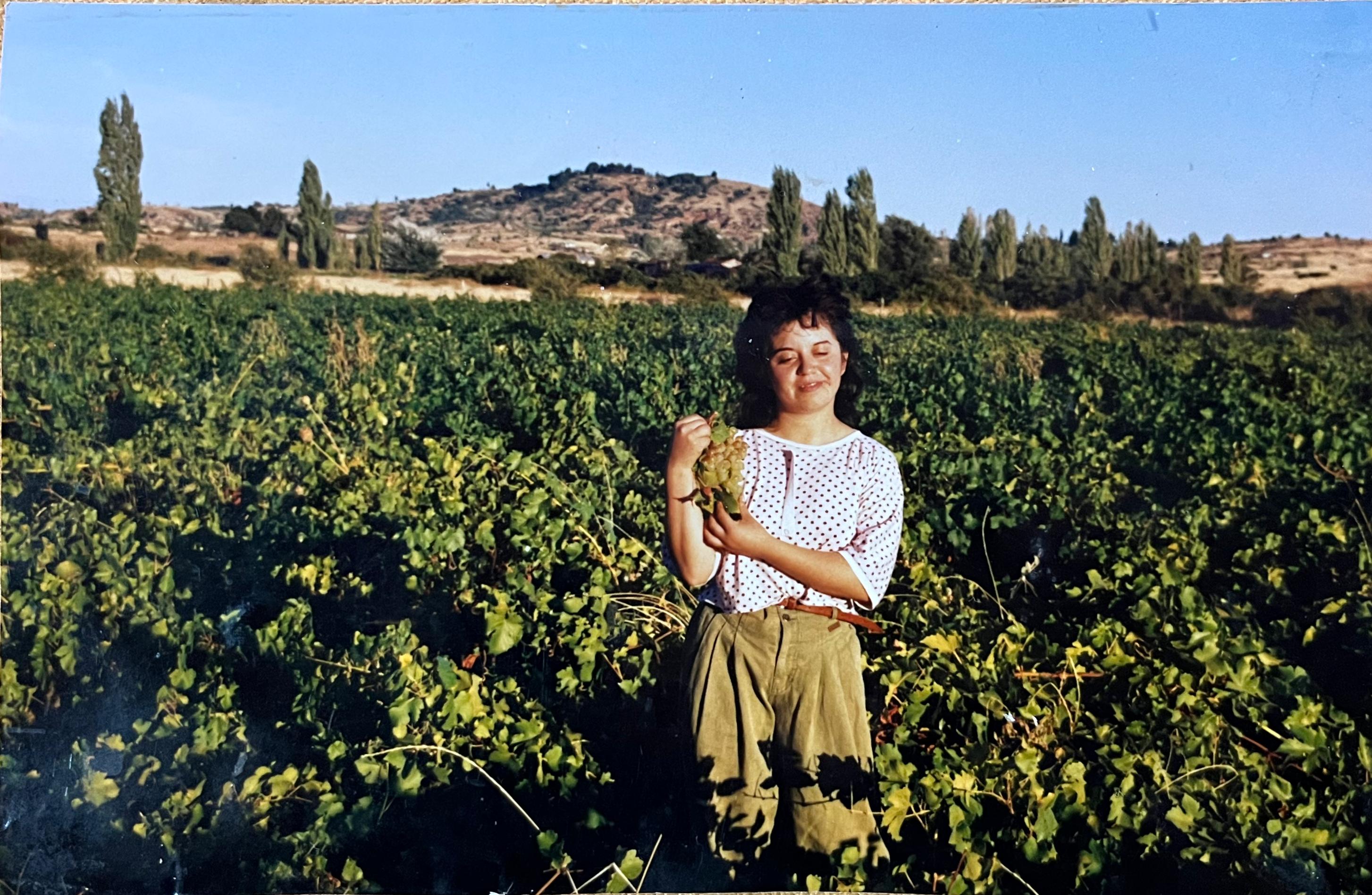
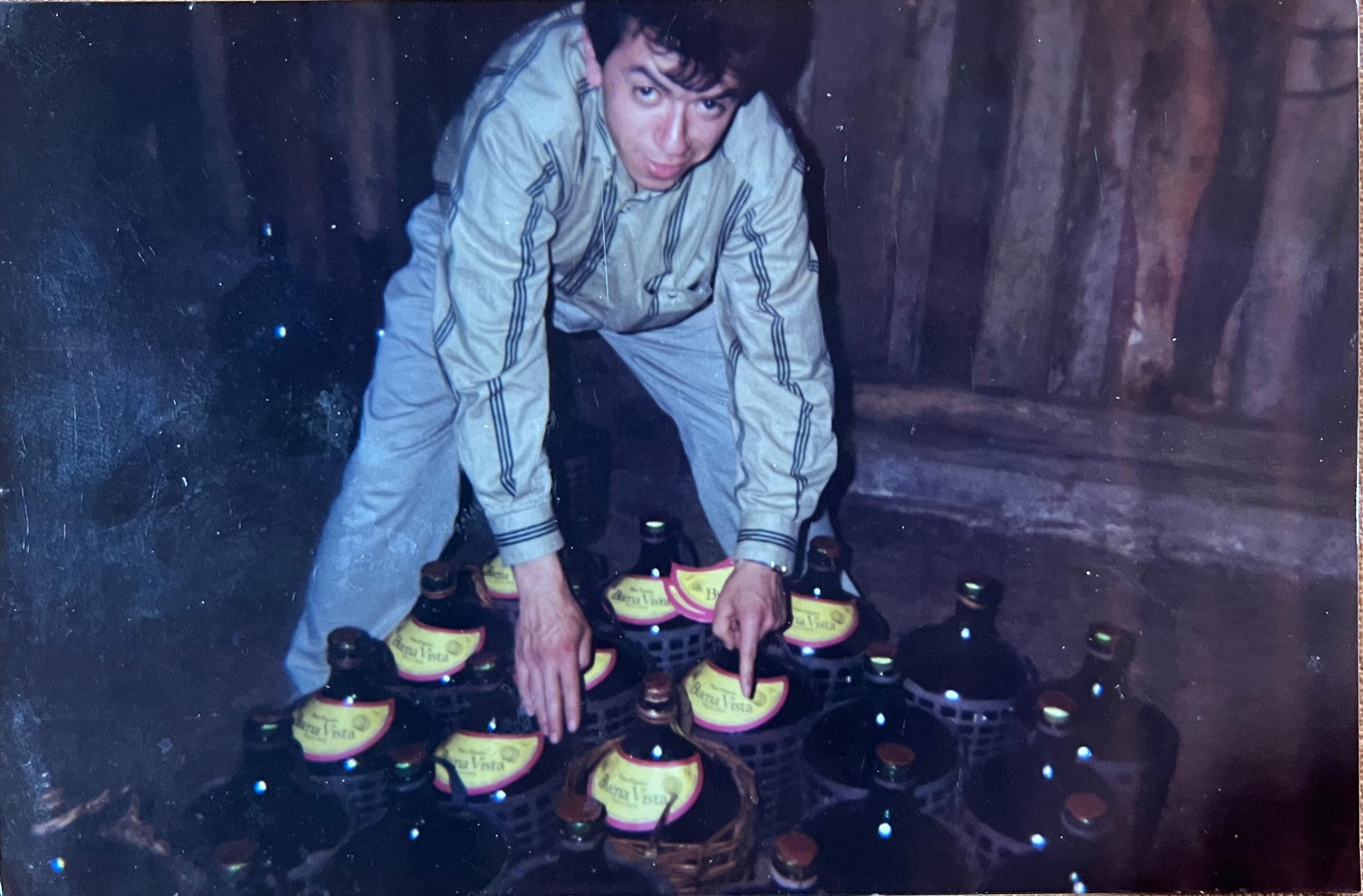
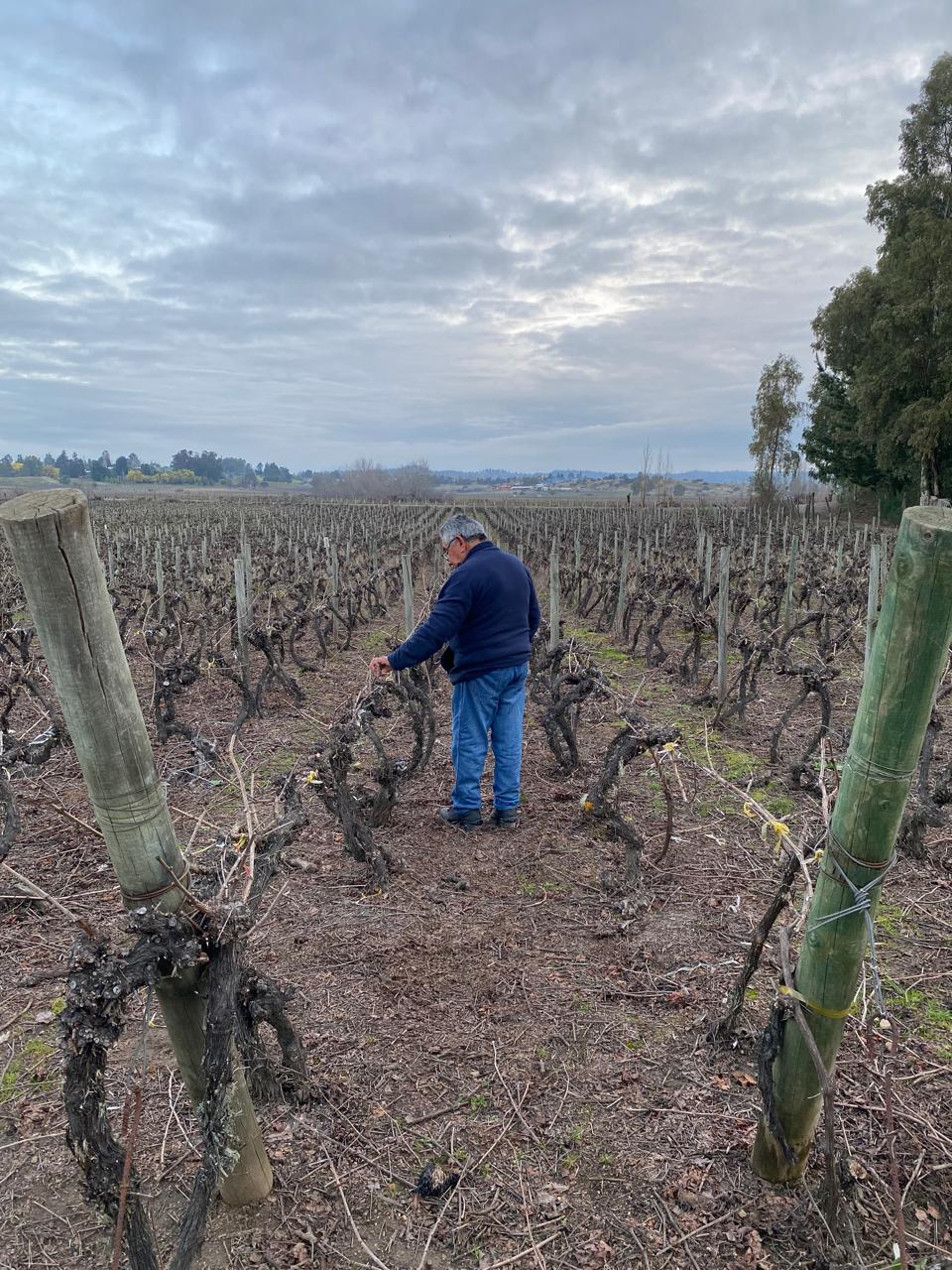
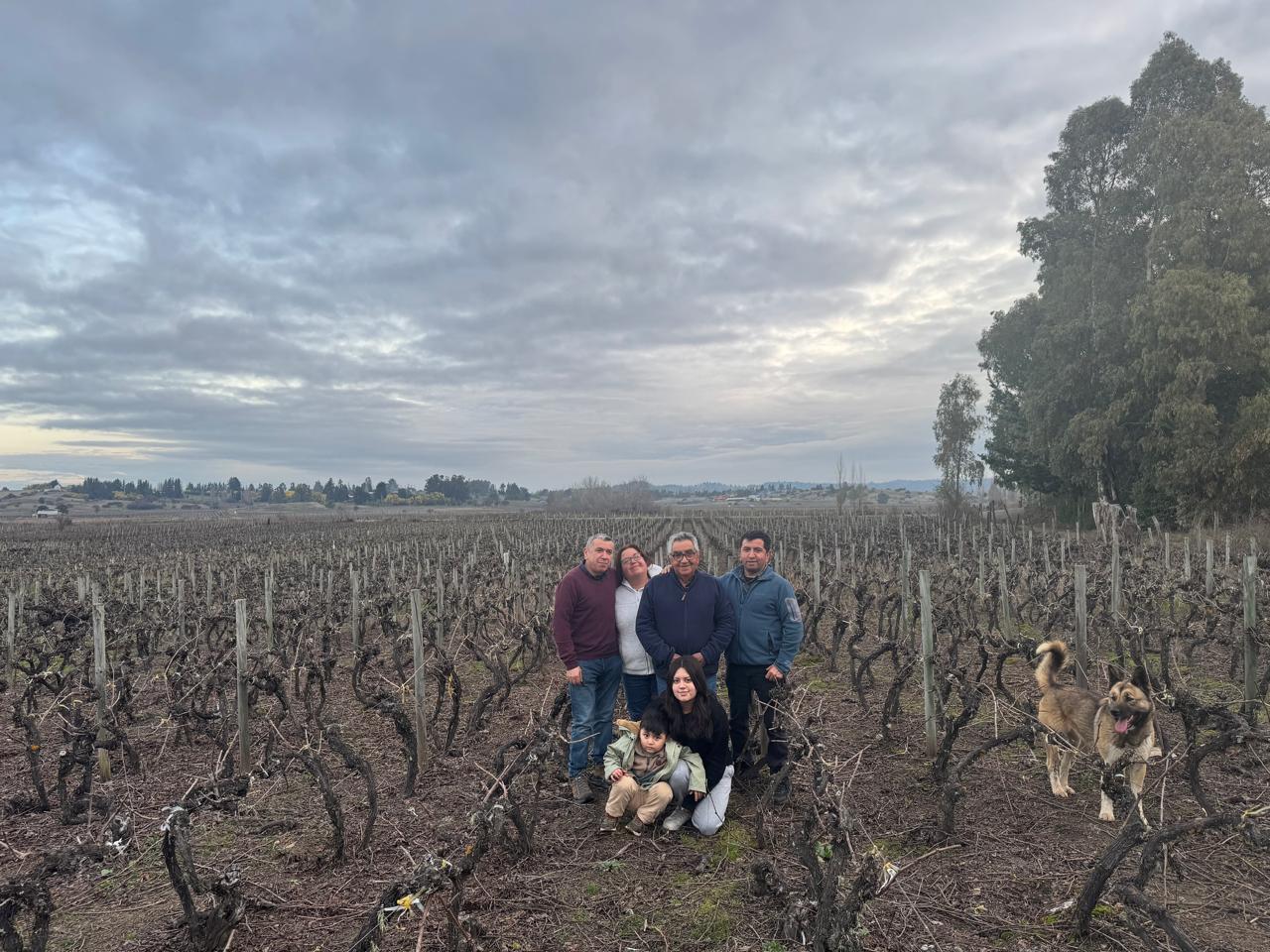
Nombre de las fotos: (1) Post reforma agraria y legado vitivinícola (1965), (2) la generación post-dictadura: entre la vendimia y la vid, (3) Nuevas generaciones: producción y desarrollo rural. (4) Huellas del tiempo en lo rural. (5) Una familia vitivinicultora, persistencia y resistencia.
El Valle del Itata, comprende una zona ubicada en torno al río Itata, en las regiones del Biobío y Ñuble, al sur de Chile, se constituye por nueve comunas. Es una reconocida cuenca productora de vino, que arrastra un profundo sentido histórico. Esta zona vitivinícola forma parte del llamado secano costero, un paisaje mediterráneo anterior a la historia republicana de Chile (Cid-Aguayo, Rebolledo, Allende, & Medina, 2022). El valle constituye una de las zonas de producción de vinos más antiguas del mundo, la cual actualmente está revalorizada por la resiliencia y rusticidad de sus cepas secanas, protegidas históricamente por las familias campesinas que han sabido resguardar frente a los embates del cambio climático, las problemáticas del desarrollo y la migración campo–ciudad. Este territorio, de marcada identidad rural, se caracteriza por sus parras de cepa país, formas tradicionales y ecológicas de cultivo de la vid y la producción vitivinícola tradicional que en su conjunto forman un “terroir”, que constituyen un bien común campesino sostenido en largas historias de esfuerzo de familias de tradición criolla.
Son pequeños agricultores que han resistido las presiones de la actividad económica y de los poderes compradores de grandes viñas, cuidando sus parras y preservando este bien común a lo largo de los años, manteniendo prácticas y saberes generación tras generación.
Estas fotografías narran la historia de una familia vitivinícola, la transmisión de conocimientos, prácticas y tradiciones, que perduran en el tiempo y fortalecen la identidad de la zona.
¿Por qué son importantes estas fotografías en particular para su investigación?
Estas fotografías se enmarcan en mi tesis de investigación Ontologías campesinas y su transmisión generacional en familias del Valle del Itata: hacia la conservación del bien común vitivinícola.
Este estudio desarrolla una investigación etnográfica que, para enriquecer su profundidad, integró la historiografía al modelo metodológico, lo que llevó a realizar esta recopilación fotográfica. A través de estas imágenes, se busca analizar la transmisión generacional de saberes, prácticas y tradiciones. Ello para promover ejercicios de memoria con los entrevistados, y examinar cómo han cambiado sus viñas y sus prácticas frente a las dificultades impuestas por el mercado y los modelos de desarrollo.
En este sentido, la fotografía se constituye como una fuente documental, basada en el texto La fotografía como documento histórico y etnográfico: una epistemología, que plantea que:
“[…] una de las características más acusadas del moderno progreso de la utilización de la documentación histórica es la concepción cada vez más extendida de que ‘fuente para la historia’ puede ser, y de hecho es, cualquier tipo de documento existente, cualquier realidad que pueda aportar testimonio, huella o reliquia, cualquiera que sea su lenguaje” (Aróstegui, 2001, p. 378).
Generational wine-growing memory: a farming family of the Itata Valley
Karina del Pilar Valenzuela Contreras; Beatriz Eugenia Cid Aguayo. Magíster de Investigación Social y Desarrollo, Universidad de Concepción, Fondecyt 1230338 “Comunes y ontologías de la naturaleza: dialogo de saberes”.
Location and dates of the photos: 1) Valle del Itata 1965. 2) Valle del Itata 1990. 3) Valle el Itata 1992. 4) Valle del Itata abril 2025. 5) Valle del Itata agosto 2025.
Name of the photos: (1) Post–Agrarian Reform and Winegrowing Legacy (1965), (2) The Post-Dictatorship Generation: Between Harvest and Vineyard, (3) New Generations: Production and Rural Development. (4) Traces of Time in the Rural Landscape. (5) A Winegrowing Family: Persistence and Resistance.
The Itata Valley comprises an area located around the Itata River, in the Biobío and Ñuble regions of southern Chile, consisting of nine municipalities. It is a well-recognized wine-producing basin, carrying a profound historical significance. This winegrowing area forms part of the so-called secano costero (rainfed coastal drylands), a Mediterranean landscape that precedes Chile’s republican history (Cid-Aguayo, Rebolledo, Allende, & Medina, 2022). The valley is one of the oldest wine-producing regions in the world, currently reappraised for the resilience and rusticity of its dry-farmed vines, historically safeguarded by peasant families who have protected them against the impacts of climate change, development pressures, and rural-to-urban migration. This territory, marked by a strong campesino identity, is characterized by its país grapevines, traditional and ecological forms of vine cultivation, and traditional winemaking practices, which together form a terroir that constitutes a campesino commons, sustained by the long histories of effort of families rooted in the criollo tradition.
They are small-scale farmers who have resisted the pressures of economic activity and the purchasing power of large wineries, caring for their vines and preserving this commons over the years, while maintaining practices and knowledge passed down from generation to generation. These photographs narrate the story of a winegrowing family, the transmission of knowledge, practices, and traditions that endure over time and strengthen the identity of the region.
Why are those particular photographs important to your research?
These photographs are part of my masterl research thesis Campesino Ontologies and Their Generational Transmission in Families of the Itata Valley: Towards the Conservation of the Winegrowing Commons.
This study develops an ethnographic approach which, in order to deepen its scope, integrated historiography into the methodological design, leading to the creation of this photographic compilation. Through these images, the aim is to analyze the generational transmission of knowledge, practices, and traditions. This serves both to promote exercises of memory with the interviewees and to examine how their vineyards and practices have changed in the face of challenges imposed by the market and dominant development models.
In this sense, photography is constituted as a documentary source, drawing on the text Photography as a Historical and Ethnographic Document: An Epistemology, which argues that:
“[…] one of the most pronounced features of the modern progress in the use of historical documentation is the increasingly widespread conception that a ‘source for history’ can be, and in fact is, any type of existing document, any reality that can provide testimony, trace, or relic, whatever its language may be” (Aróstegui, 2001, p. 378).
 Narrativas Visuales/Visual Narratives