
Macarena Williamson, UNICAMP, Campinas, Brasil.
Captura de las fotos: Foto 1: Tapachula, frontera sur de México con Guatemala, 2016. Foto 2: Boa Vista, frontera de Brasil, Venezuela y Guyana, 2021. Foto 3: Boa Vista, frontera de Brasil, Venezuela y Guyana, 2021. Foto 4: muro fronterizo de Tijuana – San Diego, 2023. Foto 5: muro fronterizo de Mexicali – Calexico, 2023.
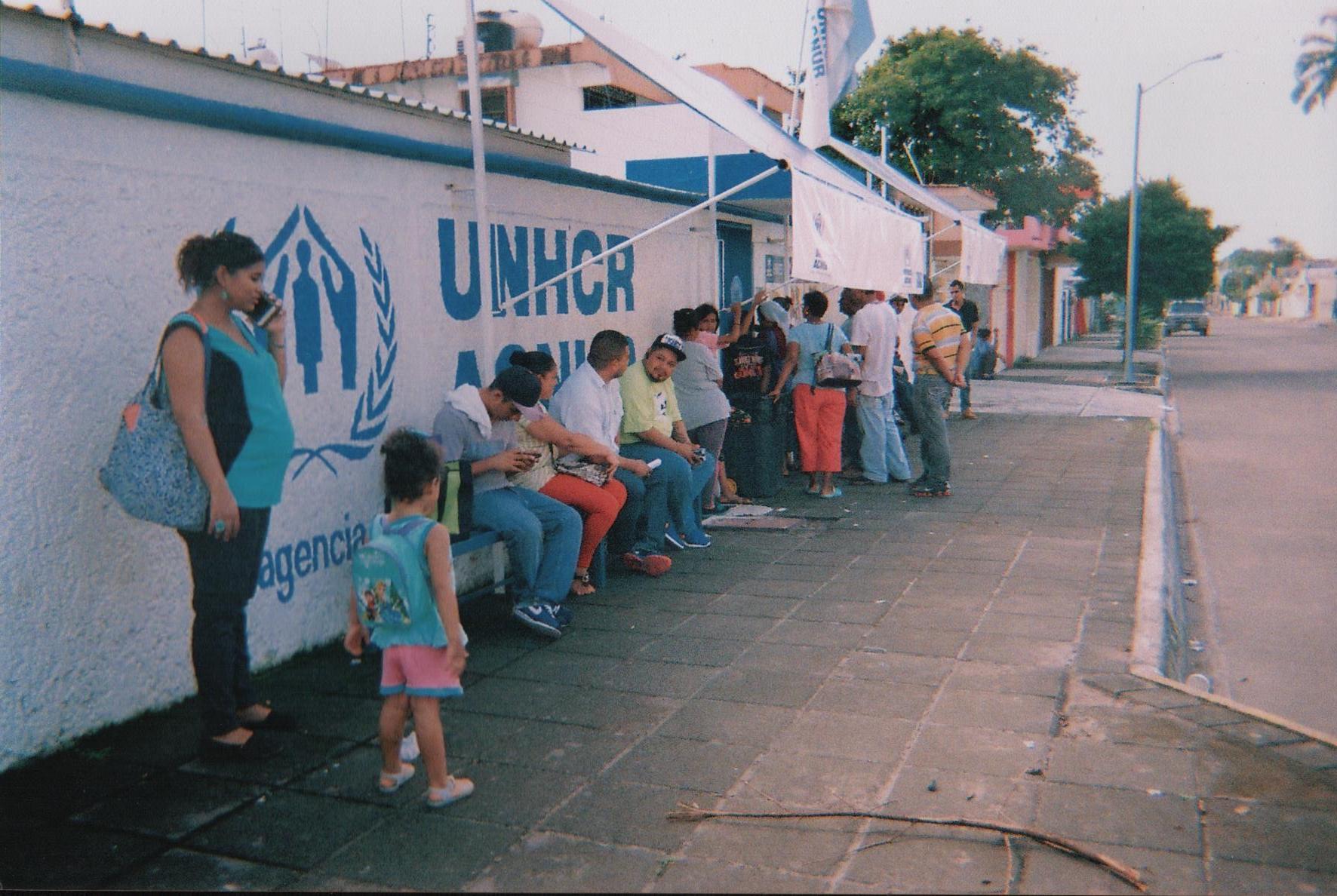


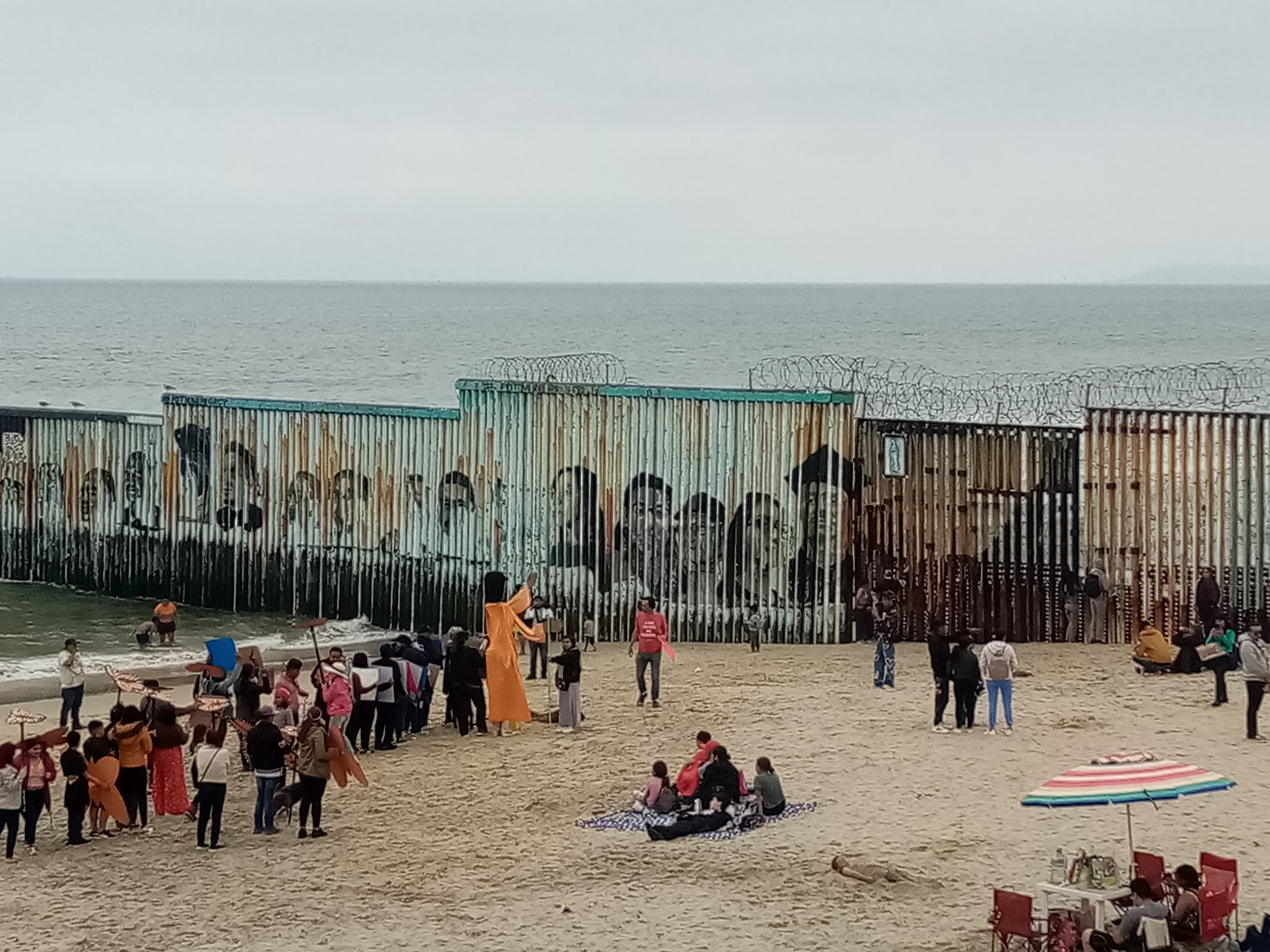
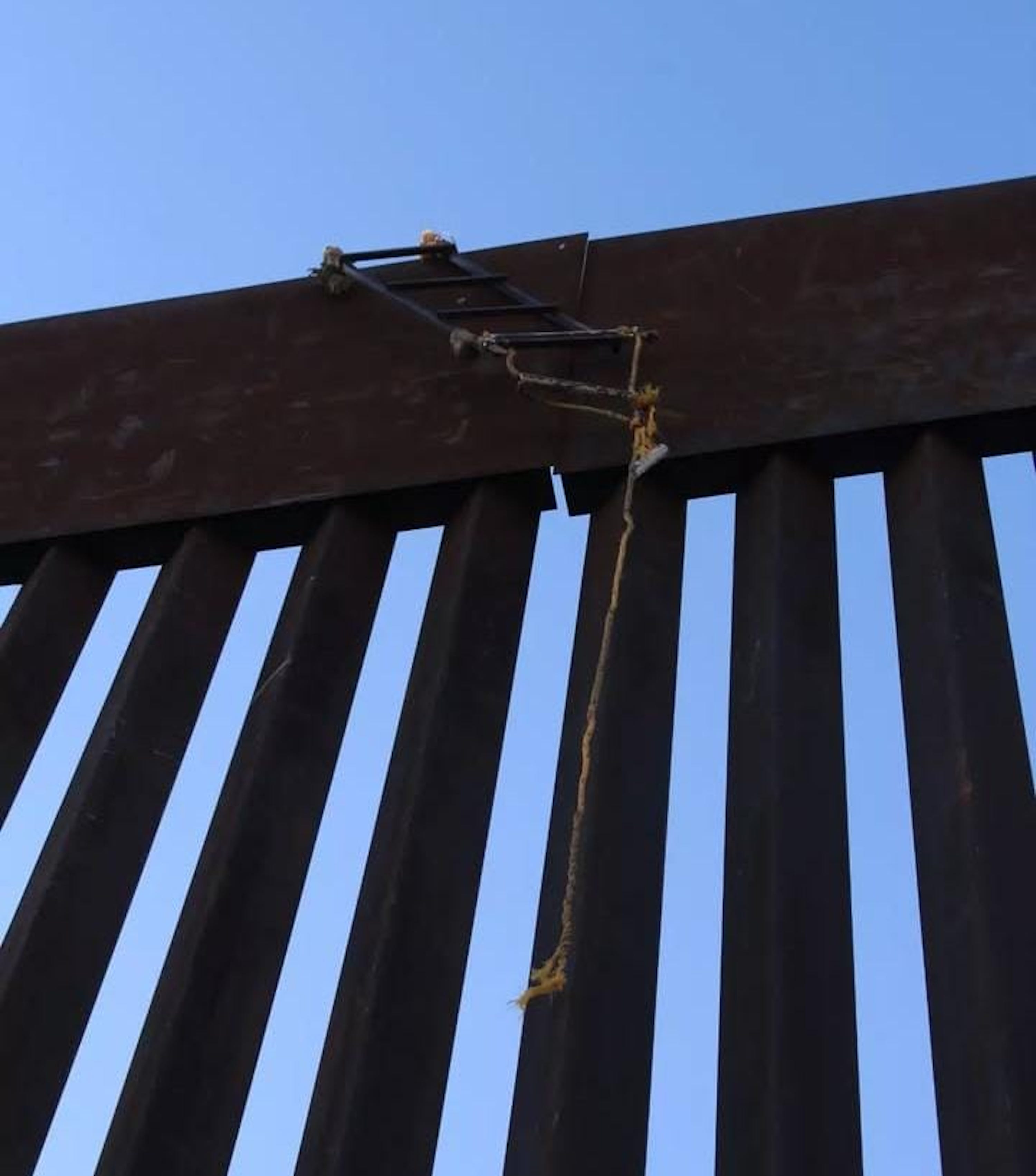
Nombre de las fotos: 1) La fila. Foto análoga de migrantes en las oficinas ACNUR, Tapachula, frontera sur de México con Guatemala, 2016. 2) Niña migrante jugando. Abrigos de la Operação Acolhida, Boa Vista, frontera de Brasil, Venezuela y Guyana, 2021. 3) Espera en la barbería. Vida cotidiana en la Operação Acolhida, Boa Vista, frontera de Brasil, Venezuela y Guyana, 2021. 4) Amigos sí, muros no. Migrantes que esperan cruzar a Estados Unidos se manifiestan en la frontera de Tijuana – San Diego, 2023. 5) Escalera para cruzarse al otro lado. Esperando el momento correcto para pasarse a Estados Unidos, frontera de Mexicali-Calexico, 2023.
Estas cinco fotografías giran en torno a la espera de migrantes como forma de gobernanza de las movilidades: ¿Qué ocurre en la vida cotidiana en campamentos y casas de acogida para migrantes durante la espera para la regularización? En la ciudad fronteriza de Tapachula en 2016 registré con una cámara desechable las extensas filas de mujeres embarazadas, disidencias y familias que aguardaban sentadas en un pequeño banco fuera de ACNUR su turno para la regularización.
En Boa Vista, ciudad fronteriza en Brasil una niña juega entre un mar de carpas de la Operação Acolhida. Su imaginación, el juego libre ocurren mientras transita entre países, durmiendo en tiendas de campaña. Los abrigos para las migraciones venezolanas de esta respuesta incluyen en su infraestructura barberías, ahí disidencias migrantes matan el tiempo conversando, arreglándose el cabello. En la estética y el bienestar se distraen de la espera.
En Tijuana registré las manifestaciones de migrantes en el muro a la espera por asilo político y también contestaciones al tiempo: una escalera implica esperar el momento indicado para saltarse al otro lado del muro en la frontera Mexicali – Caléxico.
Propongo una mirada contraintuitiva sobre la relación temporalidades y migraciones. Si uno de los mecanismos del control migratorio es hacer esperar ¿qué pasa cuando los migrantes se apropian del tiempo para sí mismos?
Registro en formatos analógicos y digitales diez años de investigación antropológica con mujeres cis y disidencias migrantes en fronteras de Brasil y México.
¿Por qué son importantes estas fotografías en particular para su investigación?
En mi investigación doctoral exploro los enredos entre rutina, tiempo y poder preguntándome ¿cómo las políticas migratorias imponen una cotidianeidad centrada únicamente en un conjunto de actividades humanitarias que hacen esperar a los migrantes, absorbiendo su tiempo vital? Temporalidades y vida cotidiana de mujeres y disidencias en abrigos y campos de refugiados orbitan alrededor de lo que llamo rutina humanitaria. Retomando a Jullyane Carvalho (2023) esto significa que el proceso de regularización migratoria se materializa en un pequeño segmento continuo de esperas (Carvalho, 2023).
Esta secuencia de esperas en la rutina humanitaria se expresa en el uso de la ducha, el acceso a agua, la alimentación durante el día, el seguimiento al proceso de regularización migratoria, luego la espera por los trámites para la interiorización. Pero también, la espera impuesta a los migrantes puede ser contestada. La espera puede ser utilizada para manifestarse en el muro, crear lazos de amistad o buscar el momento preciso para saltar con una escalera el muro fronterizo de México con Estados Unidos.
The Wait
Macarena Williamson, UNICAMP, Campinas, Brasil.
Location and dates of the photos: Photo 1: Tapachula, southern border of Mexico with Guatemala, 2016. Photo 2: Boa Vista, border of Brazil, Venezuela, and Guyana, 2021. Photo 3: Boa Vista, border of Brazil, Venezuela, and Guyana, 2021. Photo 4: Border wall, Tijuana–San Diego, 2023. Photo 5: Border wall, Mexicali–Calexico, 2023.
Name of the photos: 1) The line. Analog photo of migrants at UNHCR offices, Tapachula, southern border of Mexico with Guatemala, 2016. 2) Migrant girl playing. Shelters of Operação Acolhida, Boa Vista, border between Brazil, Venezuela, and Guyana, 2021. 3) Waiting at the barbershop. Everyday life in Operação Acolhida, Boa Vista, border between Brazil, Venezuela, and Guyana, 2021. 4) Friends yes, walls no. Migrants waiting to cross into the United States protest at the Tijuana–San Diego border, 2023. 5) Ladder to cross to the other side. Waiting for the right moment to cross into the United States, Mexicali–Calexico border, 2023.
These five photographs revolve around migrants’ waiting as a form of governing mobility. What happens in everyday life in camps and migrant shelters during the wait for regularization? In the border city of Tapachula in 2016, I used a disposable camera to document the long lines of pregnant women, gender and sexual dissidents, and families sitting on a small bench outside UNHCR, waiting their turn for regularization.
In Boa Vista, a border city in Brazil, a girl plays amid a sea of tents at Operação Acolhida. Her imagination and free play unfold as she moves between countries, sleeping in tents. The shelters for Venezuelan migration within this response include barbershops in their infrastructure; there, migrant dissidents pass the time talking and getting their hair cut. Through aesthetics and well-being, they distract themselves from waiting.
In Tijuana, I documented migrants’ protests at the wall while waiting for political asylum, as well as responses to time itself: a ladder to cross to the other side of the wall implies waiting for the right moment at the Mexicali–Calexico border.
I propose a counterintuitive perspective on the relationship between temporalities and migration. If one of the mechanisms of migration control is to make people wait, what happens when migrants reclaim time for themselves?
For ten years, I have documented—using both analog and digital formats—anthropological research with cisgender women and migrant dissidents at the borders of Brazil and Mexico.
Why are those particular photographs important to your research?
In my doctoral research, I explore the entanglements between routine, time, and power by asking: how do migration policies impose a form of everyday life centered exclusively on a set of humanitarian activities that make migrants wait, absorbing their vital time? The temporalities and everyday lives of women and dissident subjects in shelters and refugee camps revolve around what I call the humanitarian routine. Drawing on Jullyane Carvalho (2023), this means that the process of migration regularization materializes in a small, continuous segment of waiting periods (Carvalho, 2023).
This sequence of waiting within the humanitarian routine is expressed in the use of showers, access to water, daily meals, follow-up on the migration regularization process, and then the wait for procedures related to relocation or internal resettlement. Yet the waiting imposed on migrants can also be contested. Waiting can be used to protest at the wall, to create bonds of friendship, or to seek the precise moment to cross the border wall between Mexico and the United States using a ladder.
 Narrativas Visuales/Visual Narratives