
Martín Monroy Fernández “Tino Kaliman”, Nutriólogo, Coach de Rugby y hacedor de arte. México Ciudad de México. IG: https://www.instagram.com/tino.k1000/
Captura de las fotos: El Aguacate, Nayarit, México 2016.
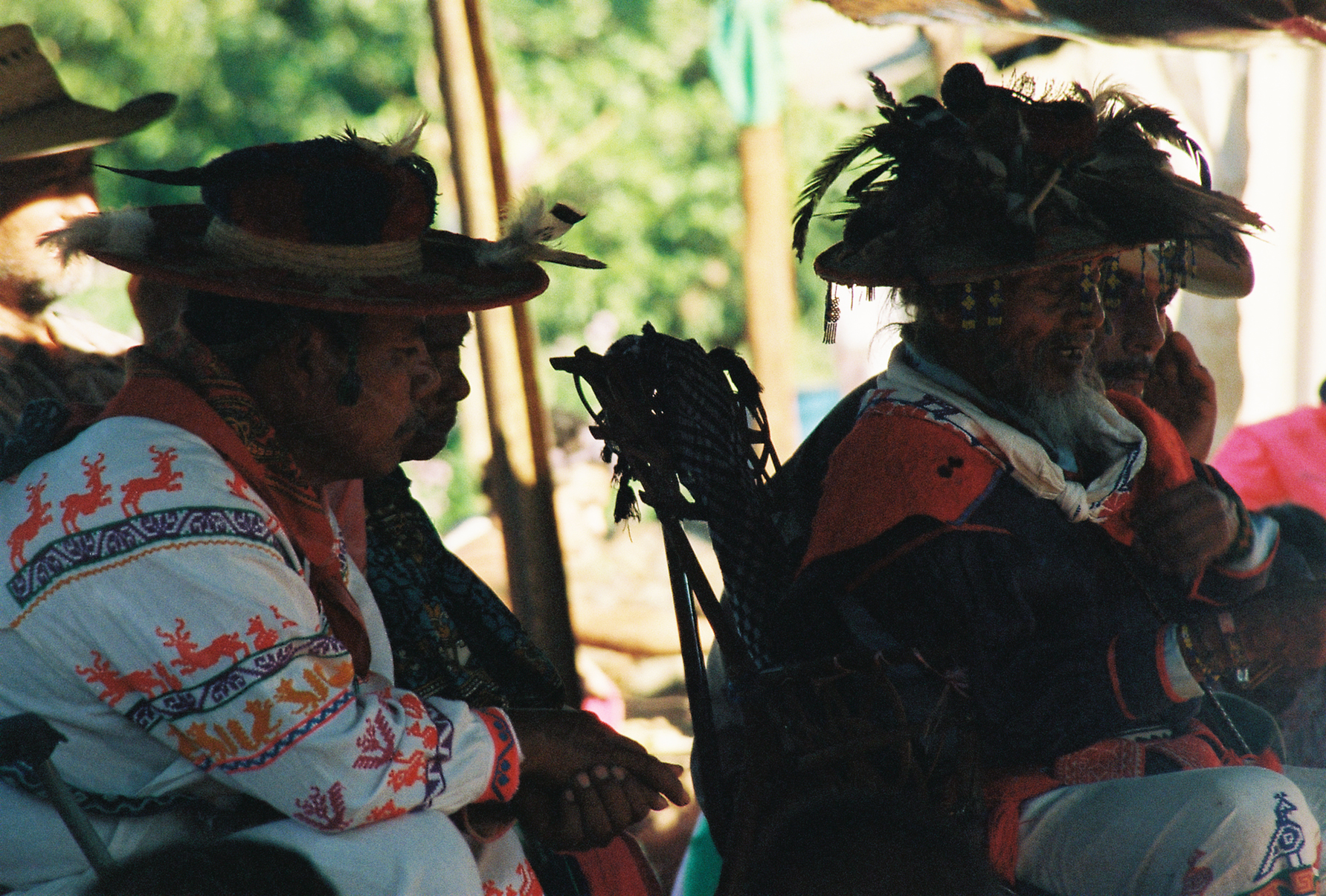
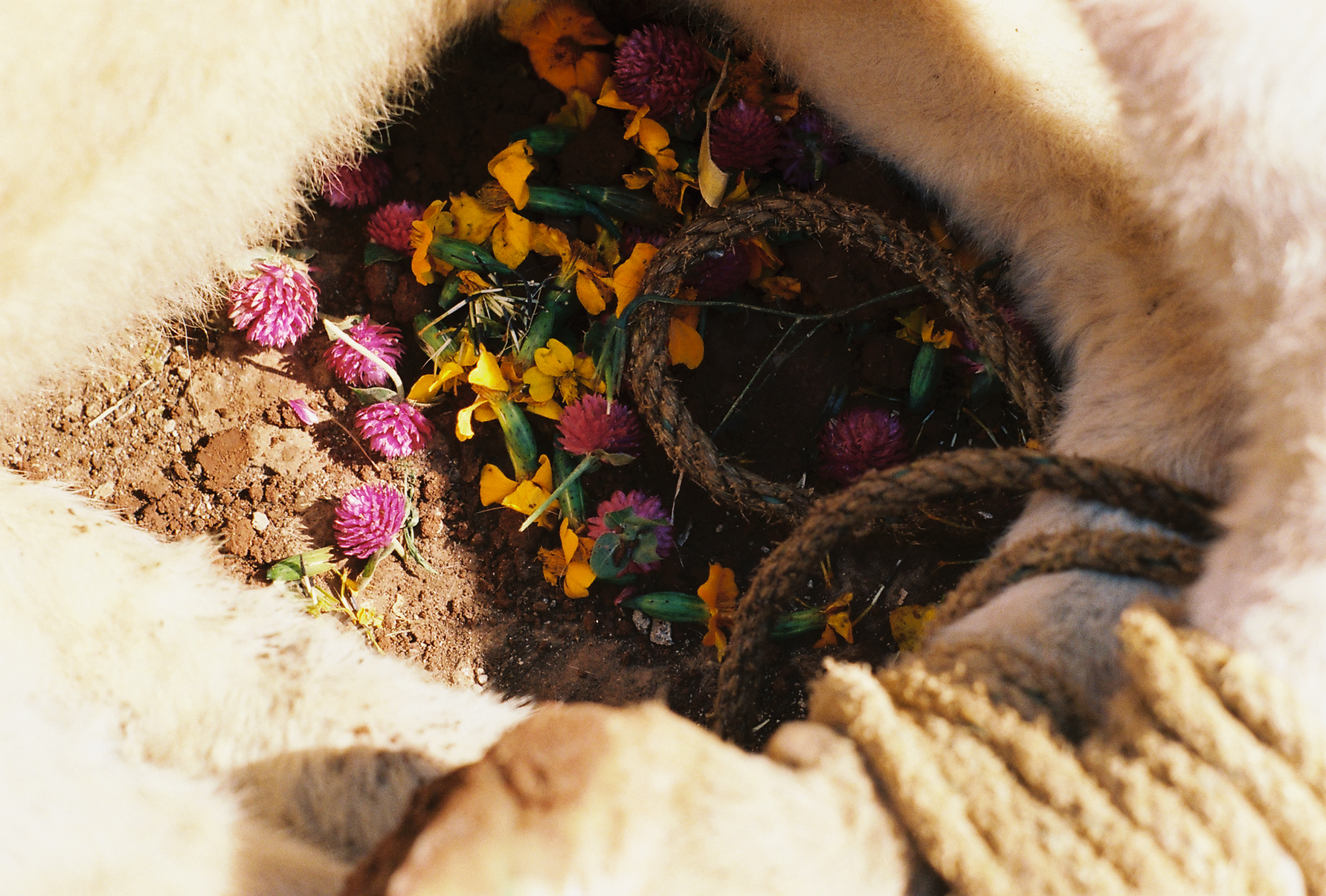
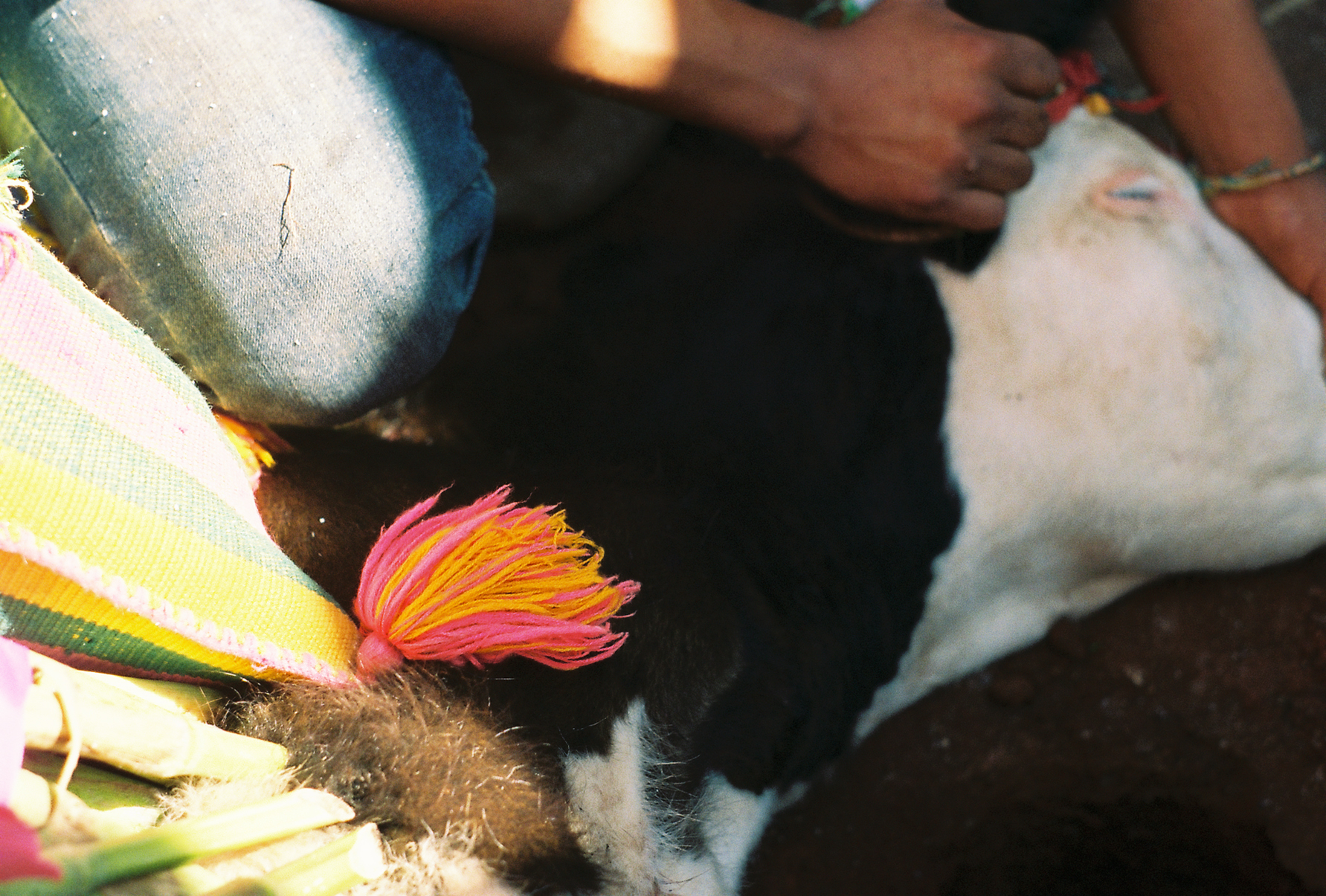
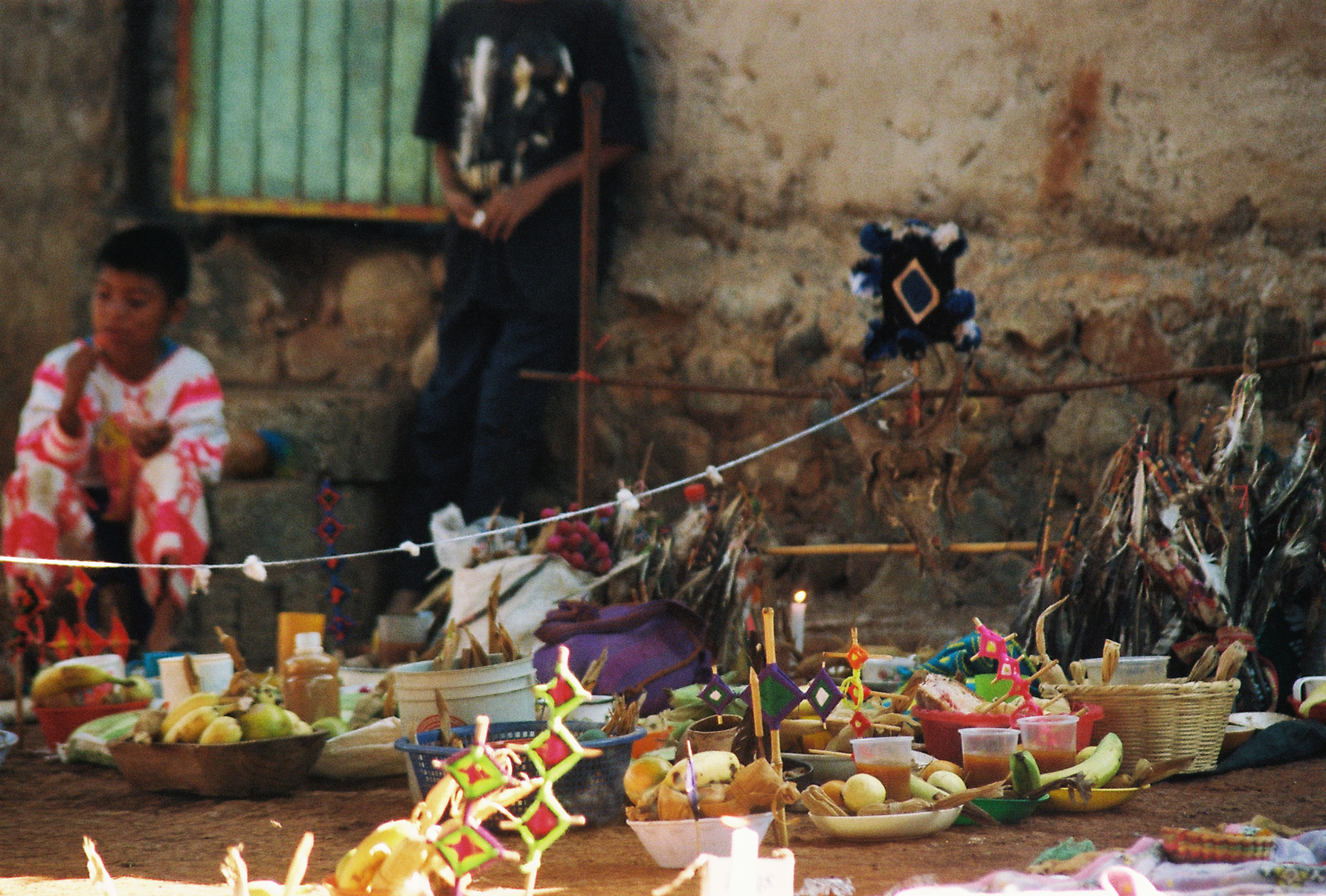
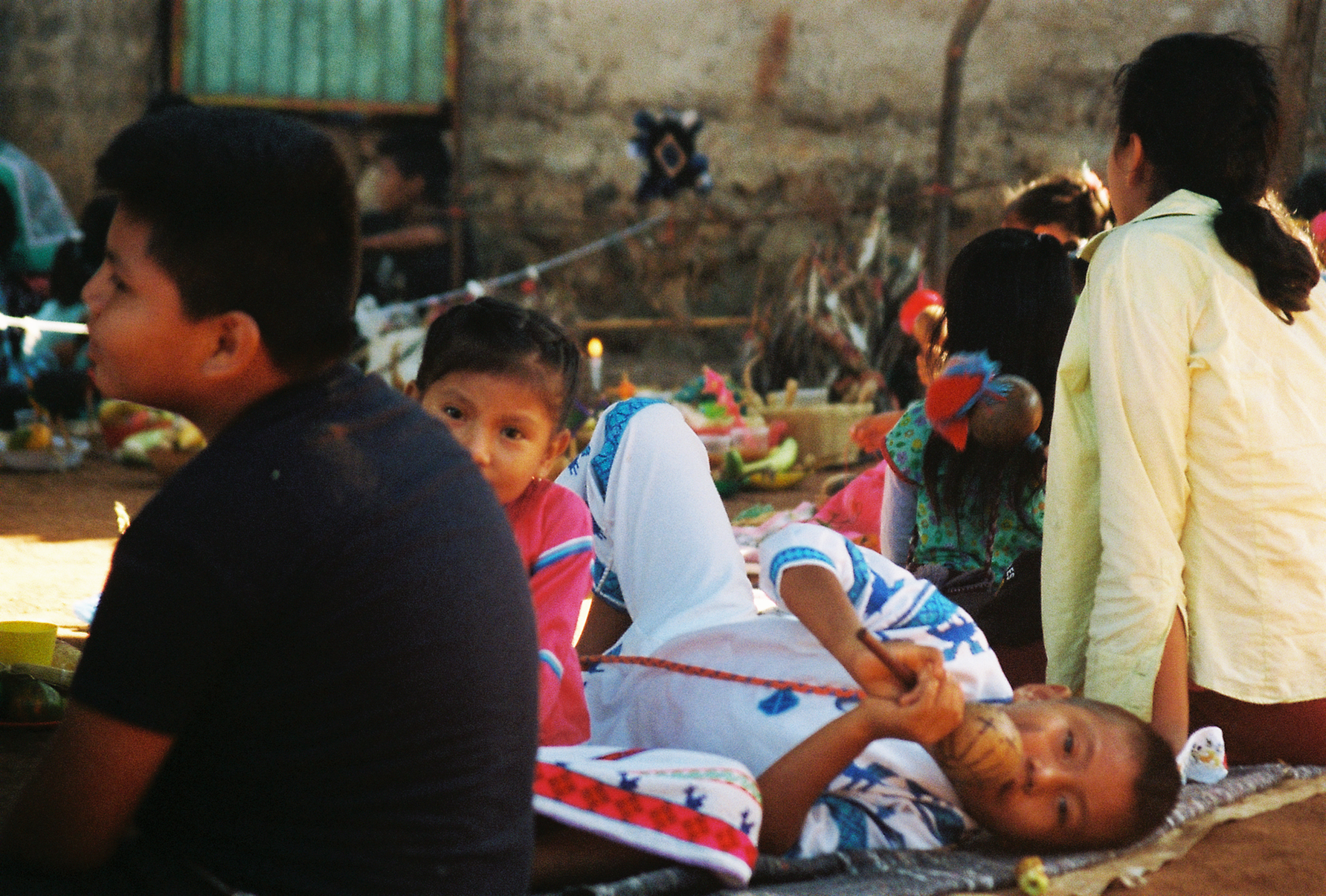
Nombre de las fotos: 1 Marakames Wixarikas. 2 Sacrificio. 3 Ofrenda y sacrificio. 4 Tsikuris y Ofrenda. 5 Zonajeo, la nueva cosecha.
El Zonajeo es una ceremonia Wixarika durante el mes de octubre donde se presenta la nueva cosecha del maíz, así como los nuevos niños que serán recibidos por el abuelito fuego y las deidades Wirarikas, es una ceremonia de 3 días con sus noches en la cual se sacrifica una res a la mano de todos los asistentes la cual junto con el abuelo fuego o fogata transmuta las penas y errores de los asistentes.
¿Por qué son importantes estas fotografías en particular para su investigación?
Porque demuestran la variación de las culturas mexicanas que aun prevalecen y como se mantienen con las nuevas generaciones relacionándose junto con la naturaleza y la nueva producción del maíz.
Zonajeo – Ceremonia Wixarika- Nayarit México
Martín Monroy Fernández “Tino Kaliman”, Nutriólogo, Coach de Rugby y hacedor de arte. México Ciudad de México. IG: https://www.instagram.com/tino.k1000/
Location and dates of the photos: El Aguacate, Nayarit, México 2016.
Photo titles: 1. Wixárika Marakames. 2. Sacrifice. 3. Offering and Sacrifice. 4. Tsikuris and Offering. 5. Zonajeo, the New Harvest.
Zonajeo is a Wixárika ceremony held during the month of October where the new corn harvest is presented, as well as the newborn children who will be received by Grandfather Fire and the Wixárika deities. It is a three-day ceremony, including several nights, in which a cow is sacrificed by all the attendees. This cow, along with Grandfather Fire or the bonfire, transmutes the sorrows and mistakes of those present.
Why are these photographs particularly important for your research?
Because they demonstrate the diversity of Mexican cultures that still prevail and how they are maintained by new generations, relating to nature and the new corn harvest.
 Narrativas Visuales/Visual Narratives